Varicose veins can cause more than visible bulging veins. Many people experience varicose vein leg pain, swelling, heaviness, and daily discomfort. However, aching legs at the end of the day aren’t something you just have to live with. If you’re dealing with bulging, painful veins, the right varicose veins pain treatments can help improve circulation, reduce symptoms, and restore comfort.
This guide covers the best varicose veins pain treatments available at the Vein Center at Dr. Shalaby’s office in Webster, Texas.
Are Varicose Veins Painful?
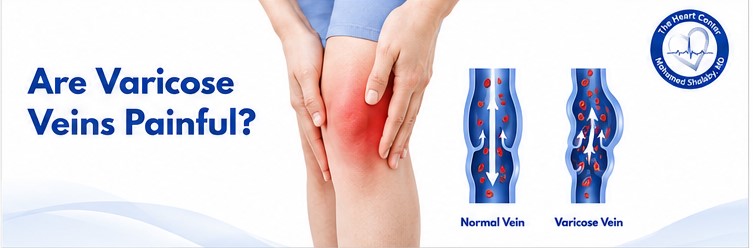
Many people ask, are varicose veins painful? The answer is yes. Not every case causes pain, but many people feel aching, throbbing, or a heavy sensation by the end of the day. Some also notice burning, itching, or cramping in the calf.
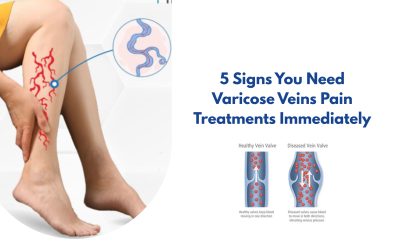
So, why does this happen? Varicose veins form when small valves inside the veins stop working properly. Blood pools instead of flowing back toward the heart. That pooling creates pressure, and pressure creates pain.
According to a journal of the American Heart Association, roughly 23% of US adults have varicose veins, affecting an estimated 22 million women and 11 million men between the ages of 40 and 80. That’s a large number of people living with the same discomfort you might be feeling right now.
Early-Stage Varicose Veins Symptoms You Shouldn’t Ignore
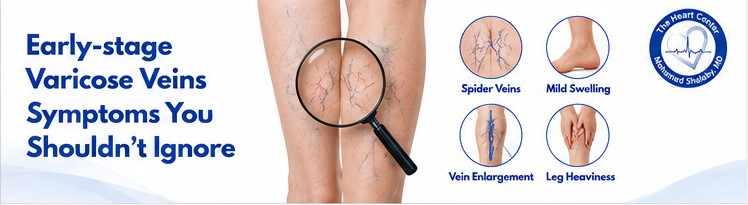
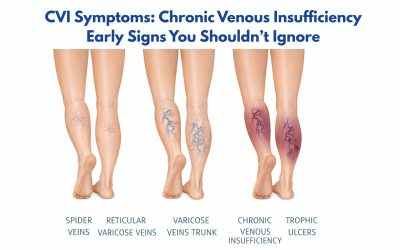
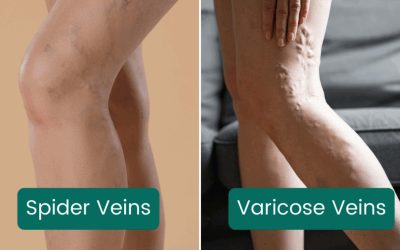
Catching early symptoms of varicose veins makes treatment simpler and less invasive. Common early-stage varicose veins symptoms include:
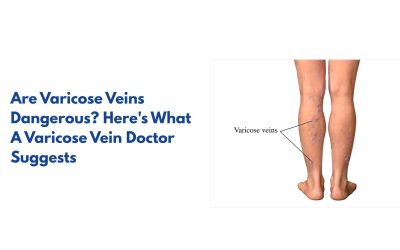
- Visible, twisted veins just under the skin, usually on the calf or thigh
- Leg heaviness or fatigue, especially after standing for long periods
- Leg cramps during the night
- Swelling around the ankles by the end of the day
- Aching or throbbing pain that improves when you elevate your legs
- Itching or skin changes near the affected vein
If any of these sound familiar, it’s worth getting checked. Left untreated, varicose vein disease can progress and become harder to manage.
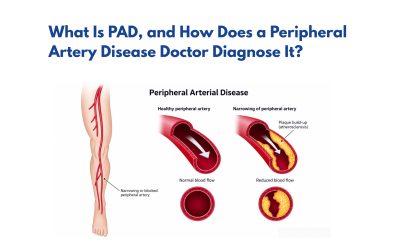
According to the Centers for Disease Control and Prevention, chronic venous disease can occur when damaged valves inside leg veins prevent blood from flowing properly back toward the heart. This can lead to blood pooling, pressure buildup, and enlarged veins.
What Causes Varicose Vein Pain?
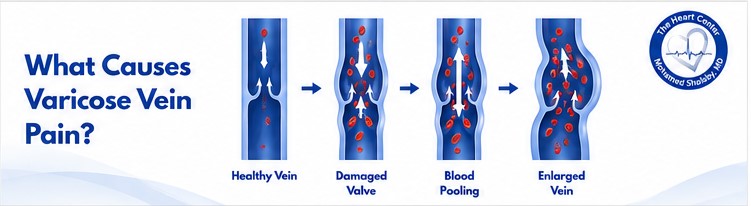
Healthy leg veins contain valves that help move blood upward against gravity. When these valves weaken, blood can flow backward and collect in the veins. This condition is known as venous reflux.
Factors that increase the risk of varicose veins include:
- Age-related vein changes
- Family history
- Pregnancy
- Long periods of standing or sitting
- Obesity
- Previous leg injuries
If left untreated, symptoms may gradually become worse. Therefore, an evaluation from a qualified doctor for varicose veins can help determine the right approach.
Best Varicose Veins Pain Treatments For Long-Term Relief
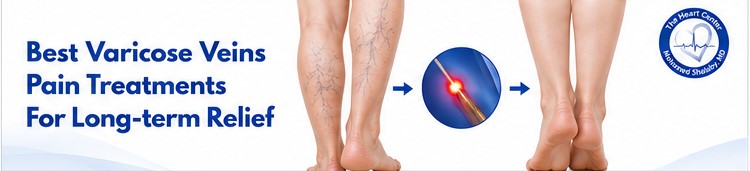
The right varicose vein pain treatment depends on your symptoms, vein health, and the severity of the condition. Treatment may range from lifestyle changes to minimally invasive procedures.
Conservative Treatment For Varicose Veins Pain
For mild symptoms, varicose veins conservative treatment may provide relief and improve circulation. Common approaches include:
Compression Stockings
Varicose veins compression stockings are one of the most common non-invasive treatments. They apply gentle pressure to the legs, helping blood move more efficiently and reducing:
- Swelling
- Aching
- Leg fatigue
- Discomfort after standing
Compression therapy is often recommended as an initial step before considering procedures.
Exercise And Lifestyle Changes
Regular movement improves circulation and supports healthy vein function. Walking, cycling, and calf-strengthening exercises can help reduce pressure in the leg veins.
How to reduce varicose veins pain in another way? Additional ways include:
- Elevating your legs after long periods of standing
- Maintaining a healthy weight
- Taking movement breaks during long sitting periods
- Avoiding tight clothing that restricts circulation
However, conservative options may not correct damaged vein valves permanently. Patients with persistent symptoms may benefit from advanced vein procedures.
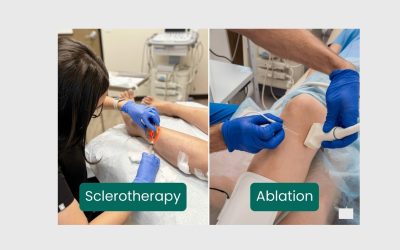
Minimally Invasive Varicose Vein Treatment Options
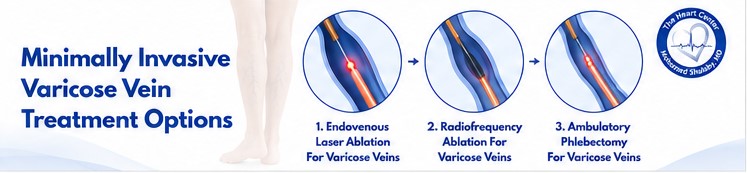
Modern vein treatments are designed to close unhealthy veins while allowing blood to naturally redirect through healthier vessels.
-
Endovenous Laser Ablation For Varicose Veins
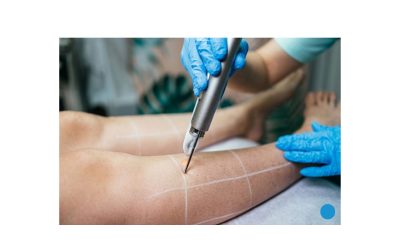
Endovenous Laser Ablation for varicose veins is a minimally invasive procedure that uses laser energy to seal problematic veins. During treatment, a thin catheter delivers laser energy inside the affected vein. The vein closes, and the body naturally absorbs it over time.
Patients often ask, “Does endovenous laser ablation hurt?” Most patients experience minimal discomfort because the procedure is performed using local anesthesia. Many return to normal activities quickly after treatment.
Benefits include:
- Minimally invasive approach
- No large surgical incisions
- Effective treatment for venous reflux
- Short recovery period
-
Radiofrequency Ablation For Varicose Veins
Radiofrequency ablation for varicose veins treatment uses controlled heat energy to close damaged veins. Like laser treatment, radiofrequency ablation improves blood flow by redirecting circulation through healthier veins. This option is commonly recommended for patients looking for a non-surgical varicose vein treatment with proven results.
-
Ambulatory Phlebectomy For Varicose Veins
Ambulatory phlebectomy for varicose veins removes visible surface veins through tiny skin openings. This procedure is often used for larger bulging veins that remain noticeable after treating the underlying vein problem. Compared with traditional surgery, ambulatory phlebectomy typically offers:
- Smaller incisions
- Less scarring
- Faster healing
- Improved cosmetic results
When Should You See A Varicose Vein Treatment Doctor?
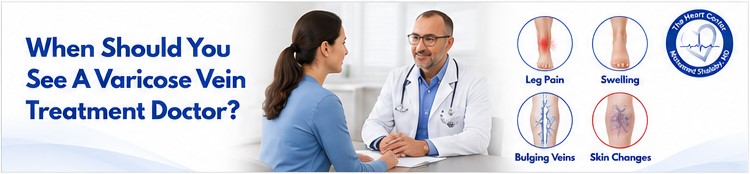
If leg pain, swelling, or visible veins are affecting your quality of life, it may be time to consult a specialist. A varicose vein treatment doctor can perform a vascular evaluation, often using ultrasound imaging, to identify circulation problems and recommend appropriate treatment.
Many patients search for a varicose doctor near me in Houston or Webster that locals trust. Choosing a cardiovascular specialist provides the advantage of understanding how vein conditions connect with overall heart and vascular health.
What Does A Vascular Doctor Do?
A quick question we hear often: what does a vascular doctor do, exactly? A vascular specialist diagnoses and treats conditions affecting your veins and arteries. That includes varicose veins, chronic venous insufficiency, and broader circulatory health.
Here’s the important part. Vein problems don’t exist in isolation. Your circulatory system is one connected network. A doctor for varicose veins who also understands cardiovascular health can spot warning signs that a general clinic might miss.
Choosing A Varicose Vein Treatment Doctor In Webster, Texas
Searching for a varicose vein treatment doctor or a varicose doctor near me? Location matters, but experience matters more. Look for a heart and vascular specialist who treats the whole picture, not just the vein in front of them.
If you’re near Webster, Clear Lake, or Kemah and searching for varicose vein treatment in Houston or a varicose vein doctor Houston-area patients trust, Dr. Shalaby’s Vein Center is worth a call.
Why Patients Trust Dr. Shalaby
For over 25 years, Dr. Shalaby has been caring for the cardiovascular and vascular health of patients in Kemah, Clear Lake, Webster, and the communities surrounding them. His depth of cardiology expertise uniquely positions him to evaluate varicose vein disease in the context of overall circulatory health, something a general clinic simply cannot offer.
Dr. Shalaby has practiced at some of the most respected institutions in the region, including:
- Texas Heart Institute
- St. Luke’s Hospital
- Clear Lake Regional Medical Center
- Memorial Southeast Hospital
- Mainland Medical Center
If you’ve experienced any of the five signs described in this article, don’t wait. Patients across the Clear Lake area trust Dr. Shalaby as their go-to cardiovascular and vein specialist because experience, credentials, and community matter.
Learn more about our approach on the Vein Center page, or read about Dr. Shalaby’s background and full range of cardiovascular health screening services.
Get Relief From Varicose Vein Pain Today!
Living with constant leg discomfort is not something you have to accept. The right treatment can reduce pain, improve circulation, and help you return to daily activities with confidence.
Schedule your consultation with Dr. Shalaby, a trusted cardiovascular and vein specialist serving Webster and the Clear Lake area. Call 281-956-7070 today to discuss your varicose vein pain treatments and discover the right solution for your condition.