Peripheral Artery Disease (PAD) is one of the most underdiagnosed cardiovascular conditions in the United States—yet it affects 6.5 million adults over age 40 in the United States and significantly raises the risk of heart attack and stroke. If your legs ache after walking a short distance, or your feet are persistently cold, these could be early warning signs and symptoms of peripheral artery disease worth investigating with a Peripheral Artery Disease doctor.
What Is Peripheral Artery Disease (PAD)?
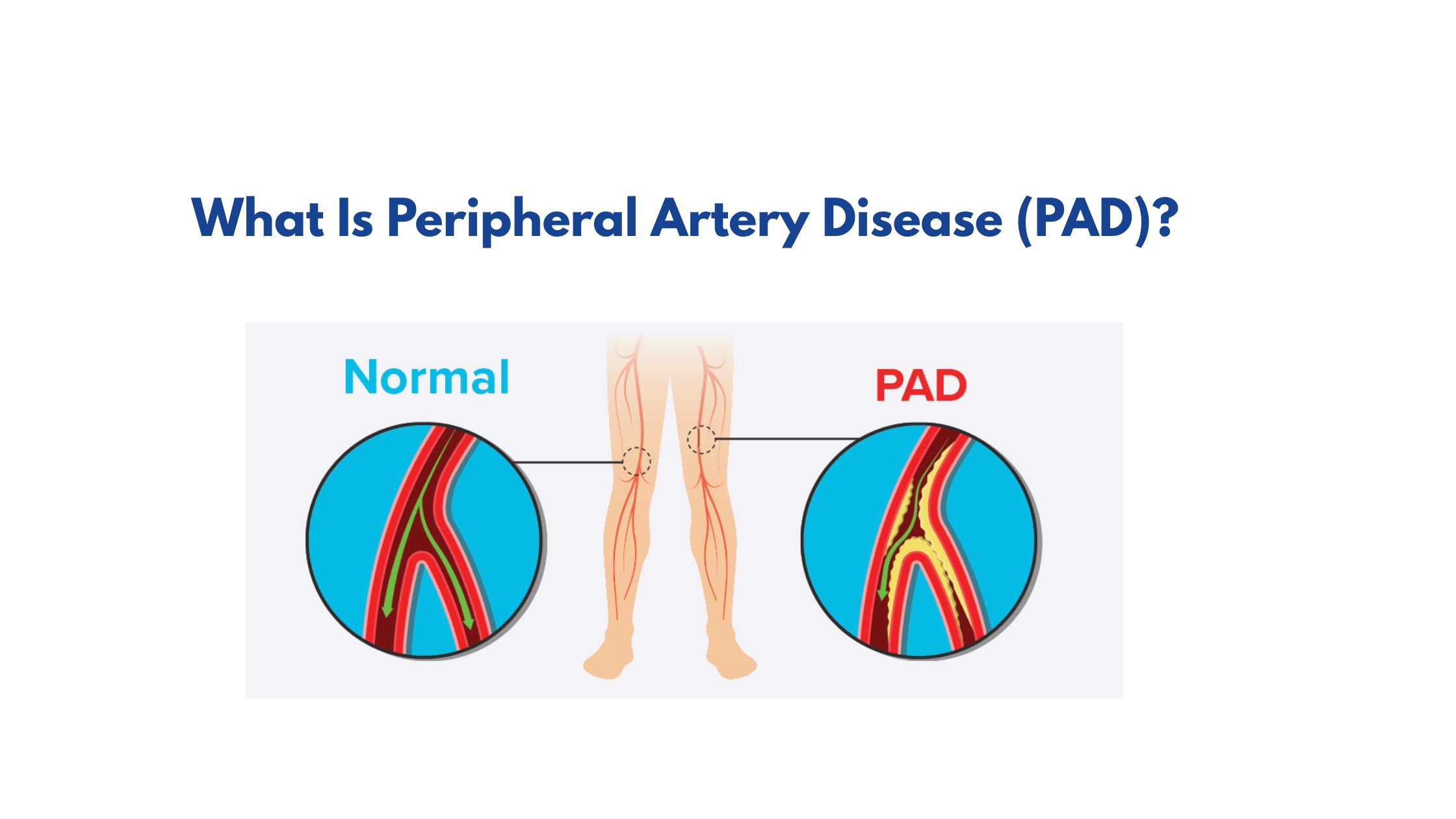
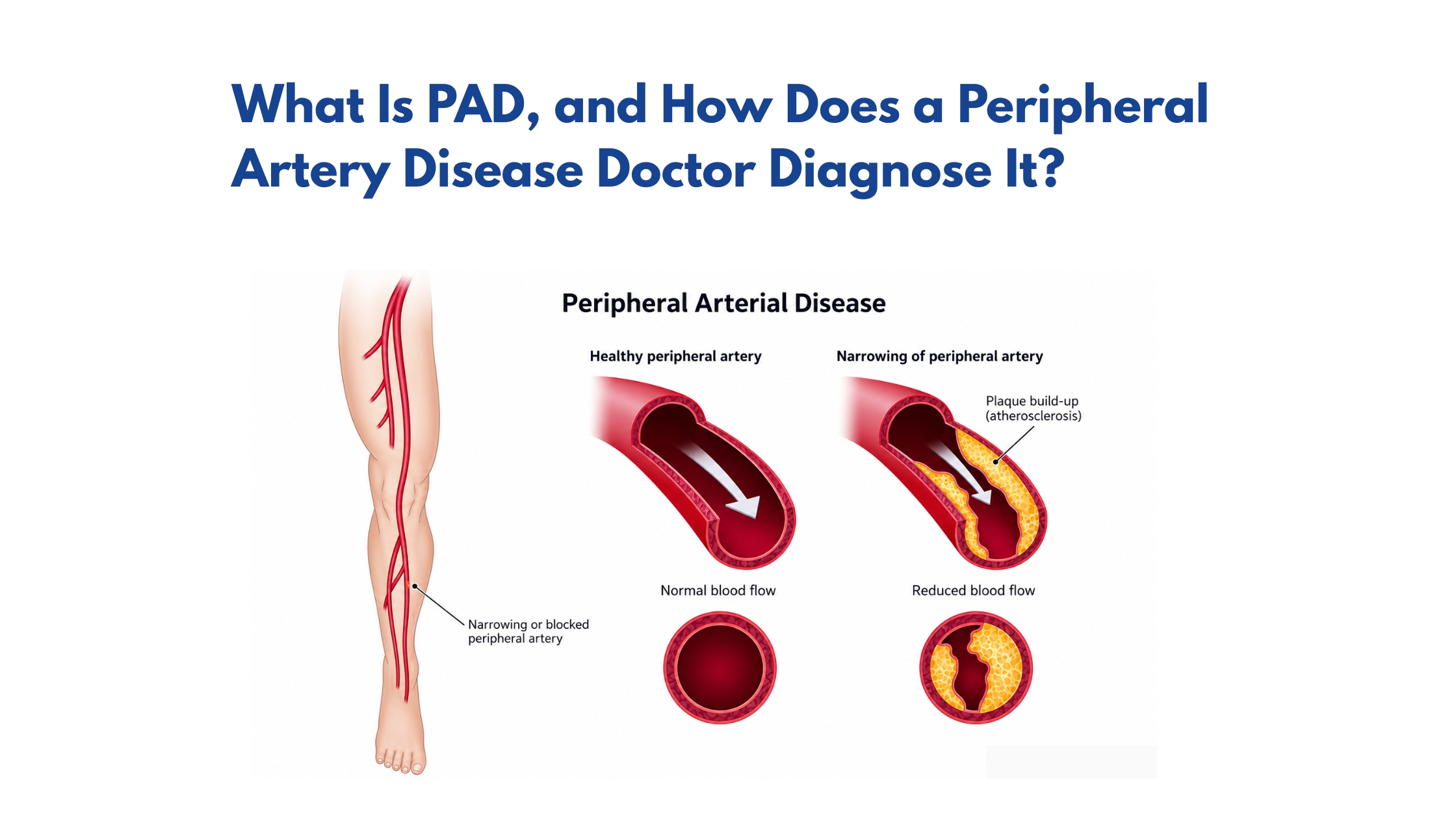
Peripheral Artery Disease is a circulatory condition in which the arteries that supply blood to the legs, feet, and other peripheral areas of the body become narrowed or blocked. The primary cause is “Atherosclerosis.” It is the buildup of fatty plaque deposits along arterial walls that restricts the normal flow of oxygen-rich blood to muscles and tissues.
PAD most commonly affects the lower extremities, but it can occur in the arteries of the arms, kidneys, and stomach as well. Importantly, PAD is not just a “leg problem.” It is a powerful marker of systemic cardiovascular disease. Patients with PAD have a two- to six-fold increased risk of coronary artery disease and are significantly more likely to experience a heart attack or stroke.
What Are the Warning Signs of Peripheral Artery Disease?
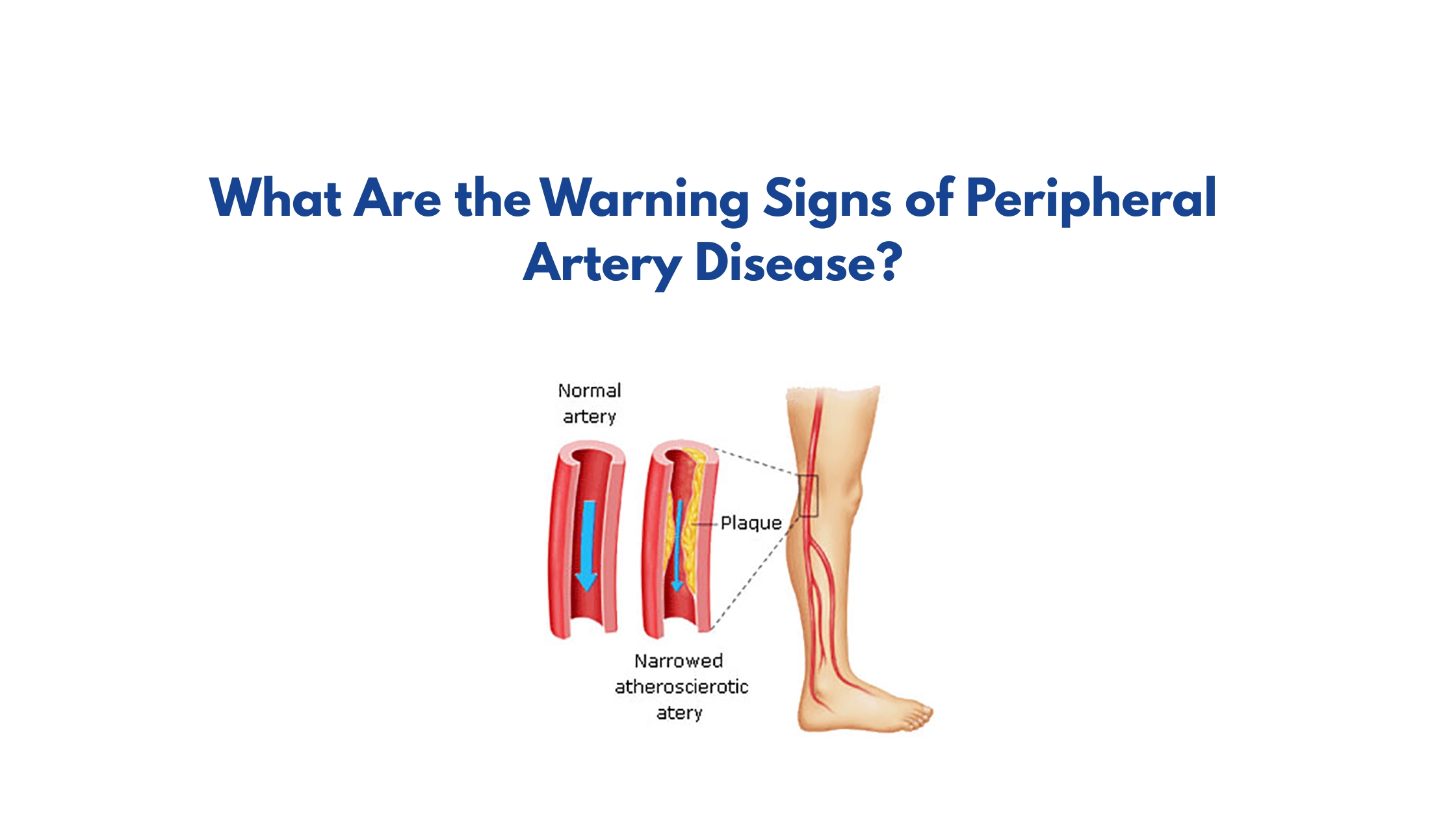
Roughly 50% of people with PAD experience no symptoms at all, making periodic peripheral artery disease screening essential, especially for high-risk individuals. When symptoms do occur, they can range from mild to severely debilitating.
Signs and Symptoms of Peripheral Artery Disease
Common signs and symptoms of peripheral artery disease include:
- Claudication — Leg pain, cramping, or fatigue during walking that resolves with rest. The hallmark symptom of PAD.
- Cold feet or legs — One foot or leg noticeably colder than the other.
- Skin color changes — Pale, bluish, or reddish discoloration on the lower legs or feet.
- Numbness or weakness — Reduced sensation in the legs, especially during activity.
- Non-healing wounds — Sores or ulcers on the feet, toes, or legs that are slow to heal or are unable to heal.
- Rest pain — In advanced PAD, pain occurs even at rest, often in the foot or toes at night.
- Changes to nails & hair — Slow-growing toenails or loss of leg hair due to poor circulation.
- Weak or absent pulse — Reduced or absent pulse in the feet or legs.
Key insight: Many patients mistake claudication for muscle fatigue, arthritis, or age-related stiffness. Hence, they delay seeking care. If symptoms consistently appear during exertion and resolve with rest, always consult a Peripheral Artery Disease doctor immediately.
Who Is at Risk? Understanding PAD Risk Factors
Certain individuals face a substantially higher risk. According to the National Heart, Lung, and Blood Institute (NHLBI), the primary risk factors for PAD include:
- Smoking — The single strongest modifiable risk factor. Smokers are up to 4× more likely to develop PAD.
- Diabetes — Elevated blood glucose accelerates arterial damage.
- Hypertension — Chronic high blood pressure strains and damages arterial walls.
- High cholesterol (hyperlipidemia) — Promotes plaque buildup in arteries.
- Age over 65 (or over 50 with diabetes or smoking history).
- Obesity and physical inactivity.
- Family history of cardiovascular disease.
Diagnosis Of Peripheral Artery Disease PAD
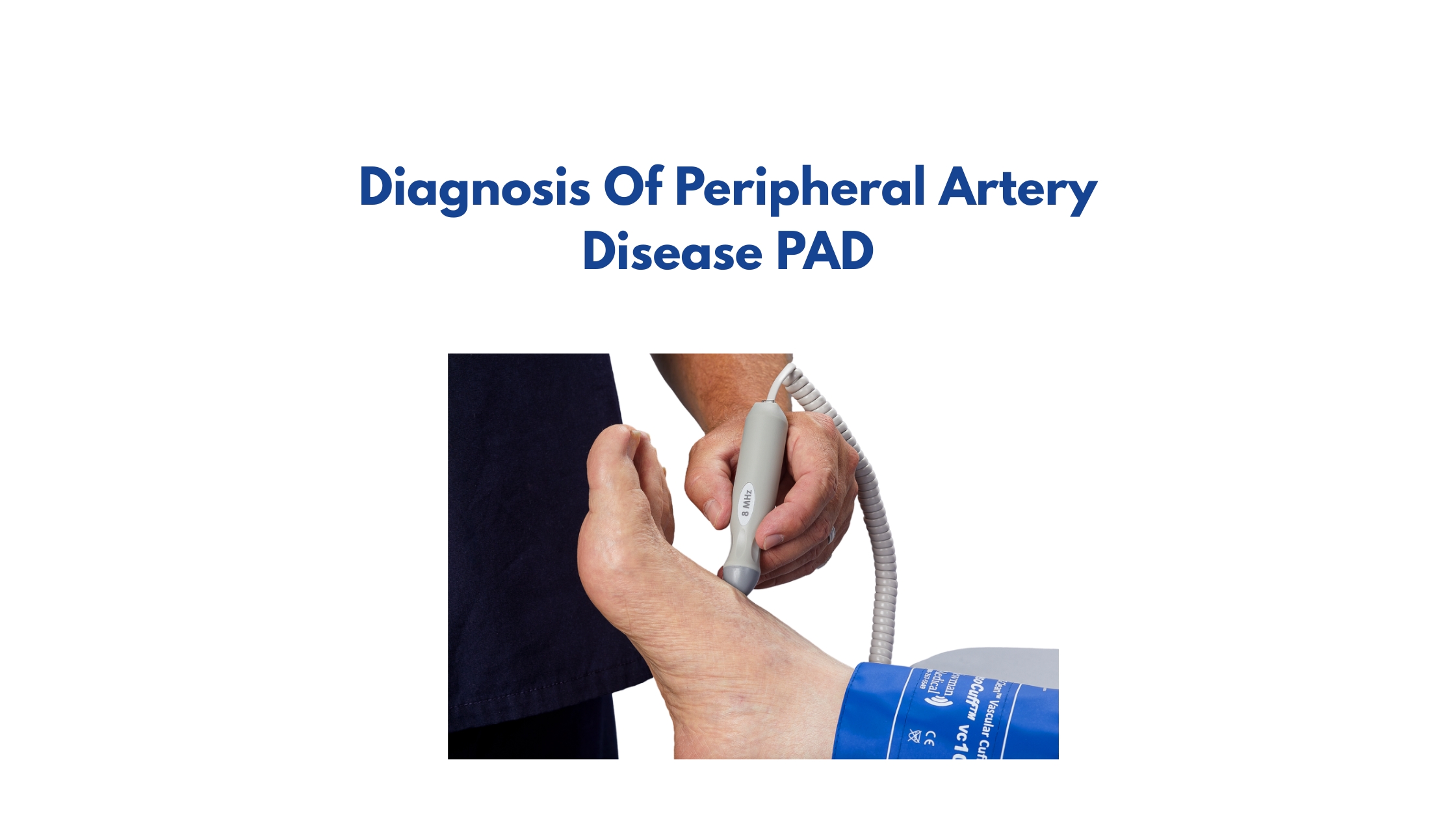
Accurate PAD diagnosis and treatment begin with a thorough clinical evaluation. A Peripheral Artery Disease doctor—typically a board-certified cardiologist in Webster TX, or vascular specialist like Dr. Shalaby—uses a combination of history-taking, physical examination, and non-invasive tests to confirm the diagnosis and assess severity.
1. Medical History & Symptom Review
The doctor will ask about leg pain patterns, risk factors, smoking history, diabetes, and any prior cardiovascular events. Claudication history is highly specific for PAD.
2. Physical Examination
The physician checks pulses in the legs and feet, listens for arterial bruits (abnormal blood flow sounds), and examines the skin for color changes, temperature differences, or ulcers.
3. Ankle-Brachial Index (ABI) — The Gold Standard Screening Test
The ABI is the primary non-invasive test for peripheral artery disease. It compares blood pressure measurements at the ankle to those at the arm. A normal ABI falls between 1.0 and 1.4; values below 0.9 indicate arterial obstruction.
4. Doppler Ultrasound by Peripheral Artery Disease Doctor
Sound waves are used to visualize blood flow in the arteries. It pinpoints the exact location and degree of blockage without radiation or contrast dye.
5. CT Angiography (CTA) or Magnetic Resonance Angiography (MRA)
In cases where surgical or interventional planning is needed, CTA or MRA provides a detailed map of the arterial tree, revealing the full extent of disease.
6. Conventional Angiography
Reserved for patients requiring immediate intervention. A contrast dye is injected directly into the arteries under X-ray guidance, offering the most precise anatomical detail.
What Is the Best Treatment for Peripheral Artery Disease?
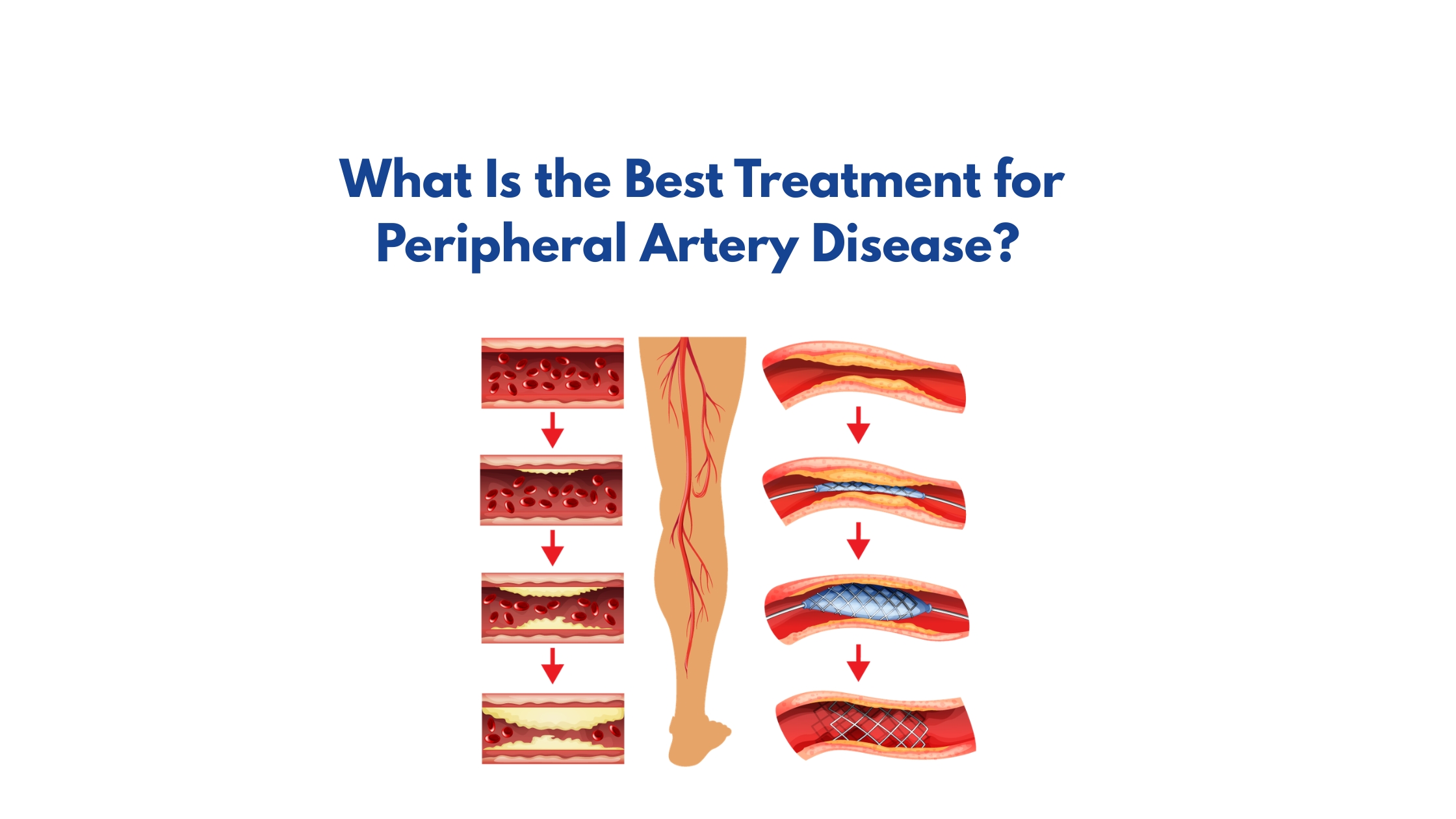
Treatment is individualized based on symptom severity, overall cardiovascular risk, and anatomy of the blockage. Management typically follows a stepped approach:
| Treatment Category | Details |
| Lifestyle Modification | Smoking cessation, structured walking program, heart-healthy diet, weight management. Often the most powerful intervention at early stages. |
| Medical Management | Antiplatelet agents (aspirin, clopidogrel), statins for lipid control, ACE inhibitors or ARBs for blood pressure, and cilostazol for claudication symptoms. |
| Supervised Exercise Therapy | Structured, physician-monitored walking exercise is recommended as first-line therapy per 2024 ACC/AHA PAD Guidelines ↗. |
| Endovascular Procedures | Balloon angioplasty and stenting to open narrowed arteries—minimally invasive with shorter recovery time. |
| Surgical Revascularization | Bypass surgery (using a vein or synthetic graft) for complex multi-level disease or when endovascular approaches are not feasible. |
| Wound Care | For non-healing ulcers and critical limb ischemia, specialized wound management is essential to prevent infection and limb loss. |
Peripheral Artery Disease Screening: Who Should Get Tested?
The U.S. Preventive Services Task Force (USPSTF) and the American Heart Association both recommend targeted peripheral artery disease screening for individuals who are:
- 65 years of age or older
- 50–64 years old with diabetes, smoking history, or other cardiovascular risk factors
- Under 50 with diabetes AND an additional risk factor
- Experiencing leg pain or weakness during walking that improves with rest
Because PAD is frequently asymptomatic in its early stages, proactive screening with a simple, non-invasive ABI test can detect the condition before it progresses to limb-threatening ischemia.
Consult Dr. Shalaby – A Board-Certified Peripheral Artery Disease Doctor
For over 25 years, Dr. Shalaby has been caring for the hearts of patients throughout Clear Lake, Webster, Kemah, and the surrounding communities. His deep roots in this region—and his commitment to building long-term relationships with patients—set him apart from larger, impersonal practices.
Dr. Shalaby has served patients at some of the most respected institutions in the Houston metro area, including:
- Texas Heart Institute
- St. Luke’s Hospital
- Clear Lake Regional Medical Center
- Memorial Southeast Hospital
- St. John Hospital
- Mainland Medical Center
If you or a loved one has been treated at any of these facilities and is looking for a board-certified cardiac care doctor close to home, Dr. Shalaby is your go-to cardiologist in Webster TX, for PAD evaluation and comprehensive cardiovascular care.
Conclusion
Peripheral Artery Disease is a serious but highly manageable condition when identified early. The warning signs of peripheral artery disease—leg cramping, cold feet, slow-healing wounds—are not just “normal aging.” They are your body’s signal that blood flow is compromised.
A thorough evaluation by a qualified Peripheral Artery Disease doctor can confirm the diagnosis, assess severity through a simple ABI test, and map out the most effective individualized PAD diagnosis and treatment plan—before the condition escalates.
If you live in Clear Lake, Webster, Kemah, or the surrounding Houston communities, Dr. Shalaby brings over 25 years of specialized cardiovascular expertise directly to your neighborhood. You deserve a cardiologist in Webster TX who knows your community, your health history, and your goals.