If you have been living with painful, bulging varicose veins, endovenous laser ablation treatment may be the most effective and least invasive solution available today.
But before committing to any medical procedure, it is natural to ask: Is it actually safe? What should you expect? And how do you find the right specialist? This guide answers all of that — clearly, truthfully, and without the fluff.
What Is Endovenous Laser Ablation Treatment?
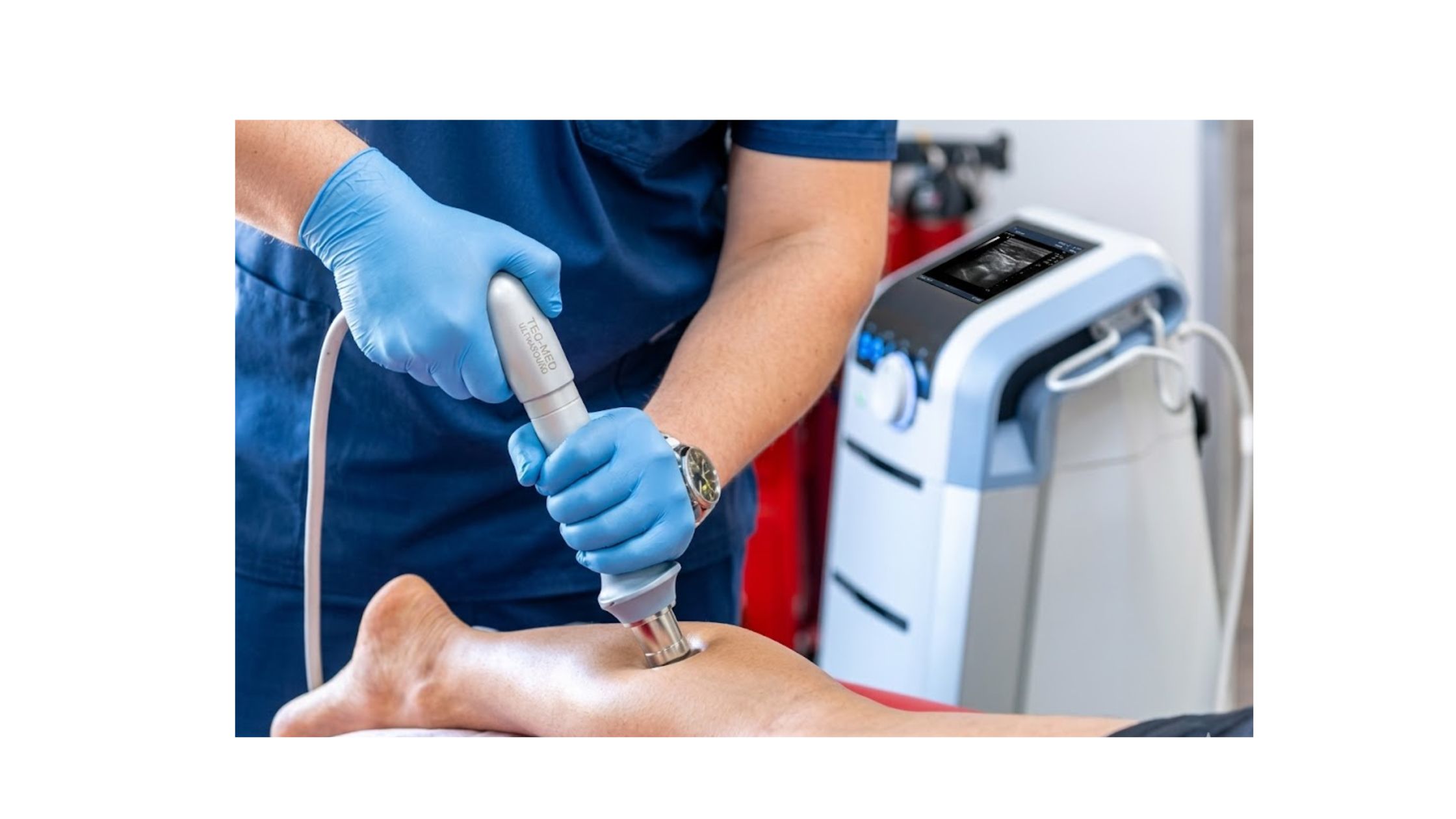
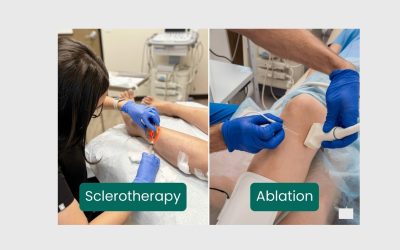
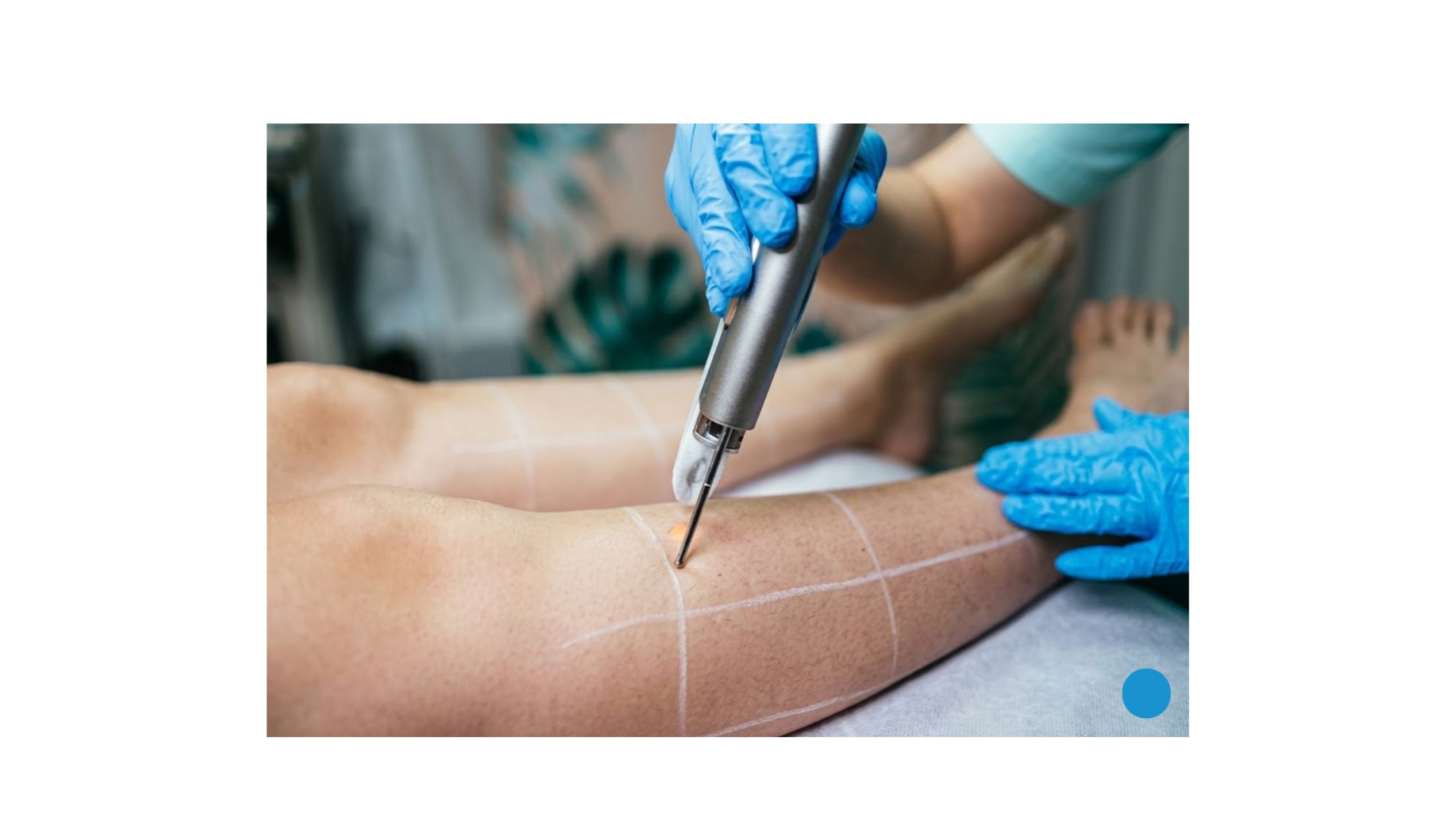
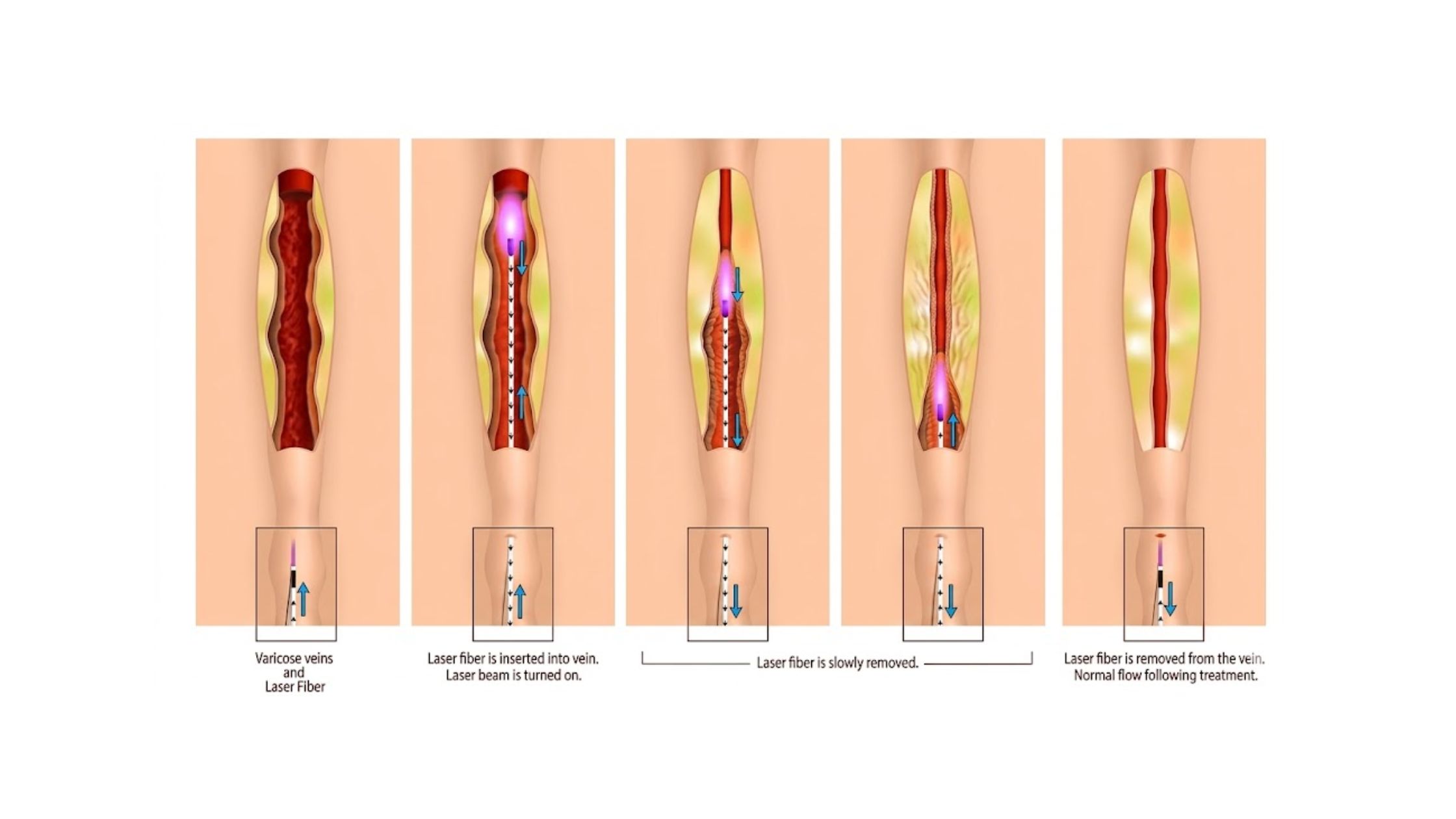
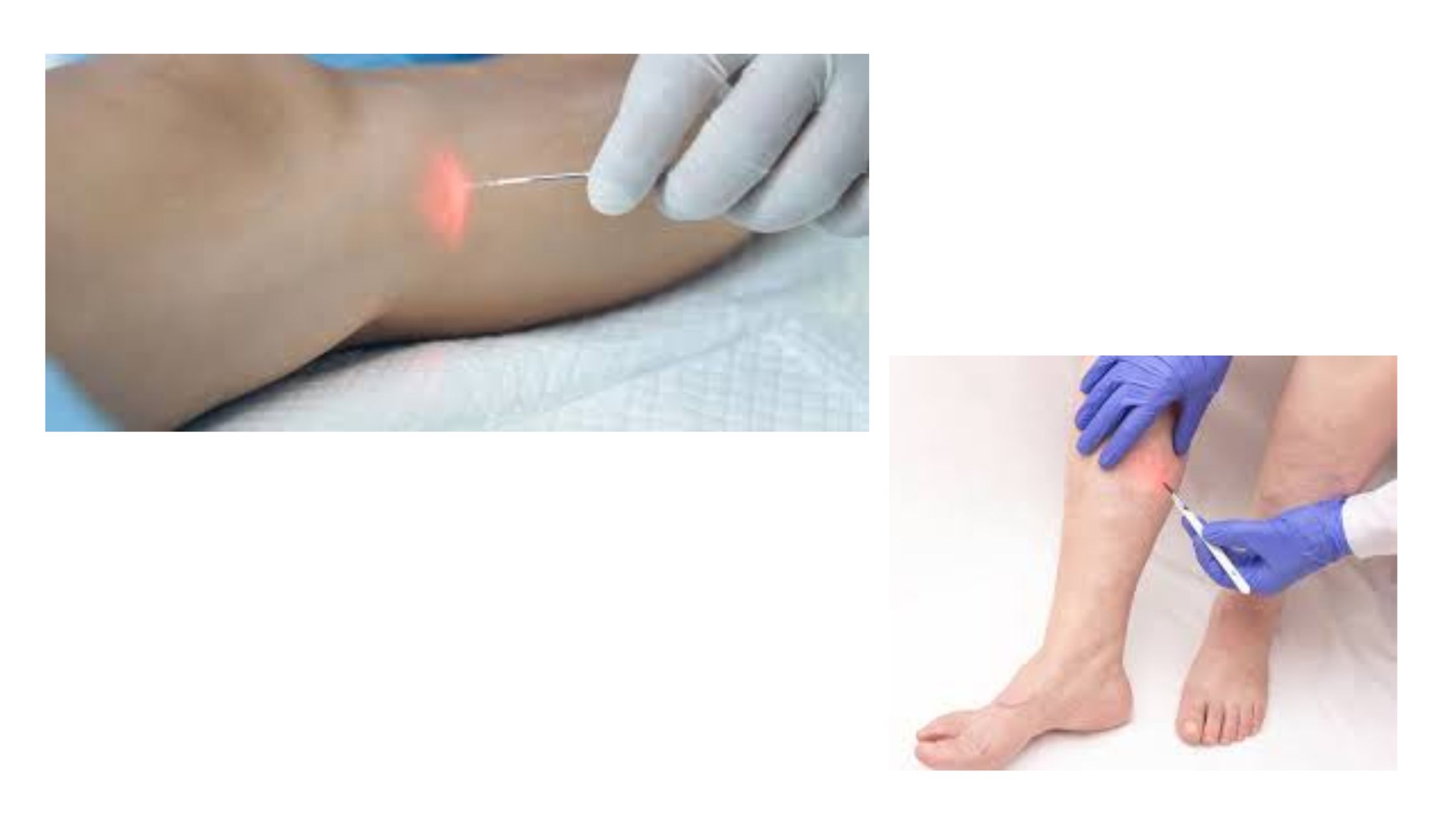
What is endovenous laser ablation treatment? It is a minimally invasive procedure that uses laser energy to close diseased veins from the inside. Rather than surgically removing the vein, a thin laser fiber is inserted directly into it. The laser heats the vein wall, causing it to collapse and seal shut. Over time, the body absorbs the closed vein naturally.
EVLA treatment is performed under local anesthesia, typically takes 45 to 60 minutes, and requires no hospital stay. Most patients walk out of the office the same day.
This approach has largely replaced traditional vein stripping surgery, which required general anesthesia, longer recovery, and significantly higher complication risk.
Is Endovenous Laser Ablation Treatment Safe?
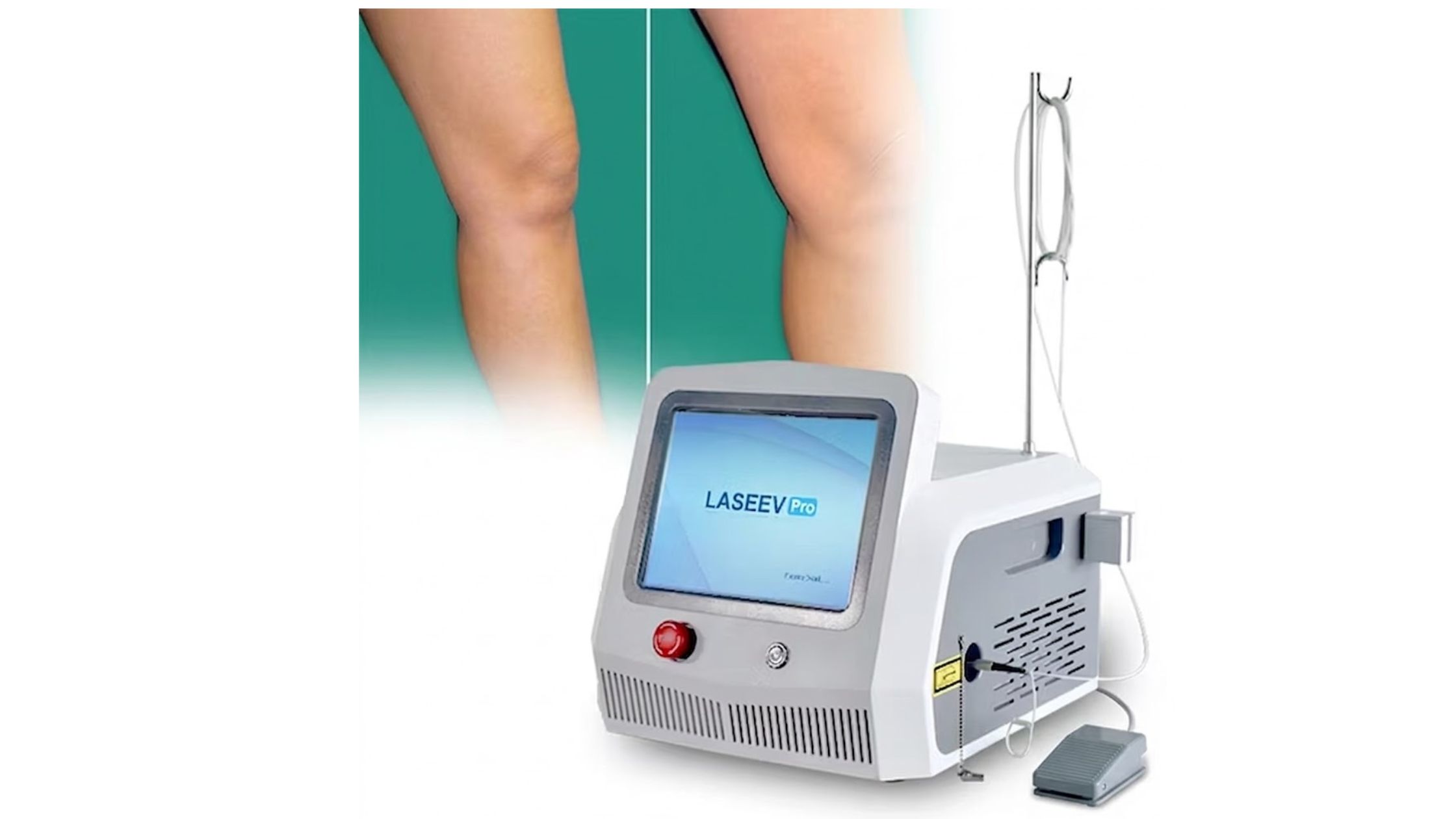
Yes — Endovenous laser treatment for varicose veins has a well-established safety record backed by over two decades of clinical use.
According to the Society of Interventional Radiology, EVLA carries a technical success rate of 95–98% and a significantly lower complication profile than surgical vein stripping.
A study published in the Journal of Vascular Surgery found that EVLT produced superior outcomes to surgery at 5-year follow-up, with lower recurrence rates and fewer post-procedure complications.
Here is why EVLA is considered safe:
- Minimally invasive (no large incisions)
- Performed under local anesthesia
- Low risk of infection
- Short recovery time
- High long-term success rates
Compared to traditional venous reflux disease surgery, EVLA offers fewer complications and faster recovery.
How the Endovenous Laser Therapy Procedure Works?
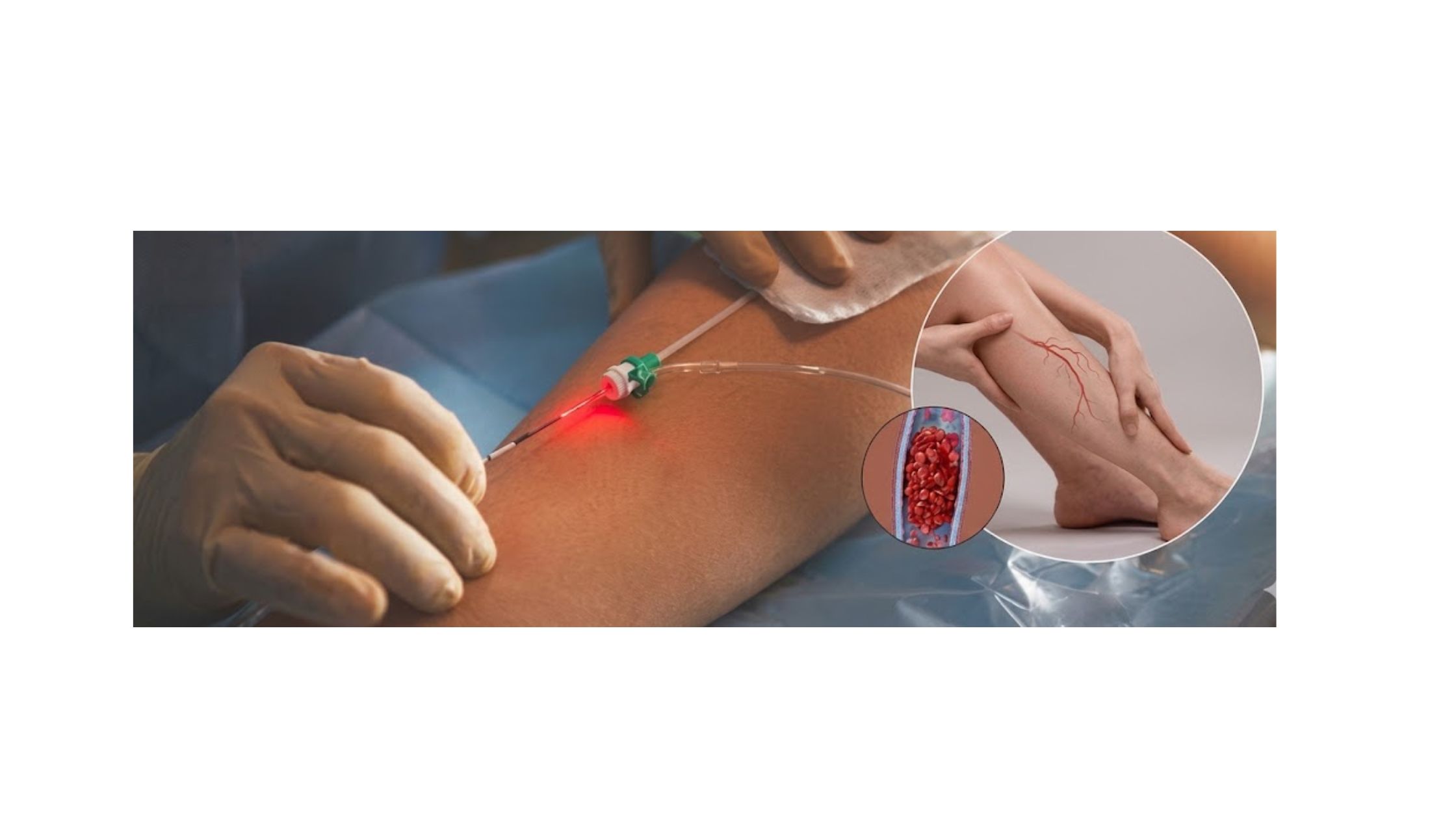
Understanding the endovenous laser therapy procedure helps set realistic expectations:
- Ultrasound mapping — The physician uses duplex ultrasound to map the diseased vein and plan the access point.
- Local anesthesia — The treatment area is numbed; no general anesthesia is required.
- Catheter insertion — A thin catheter is guided into the vein through a small skin puncture.
- Tumescent anesthesia — Fluid is injected around the vein to protect the surrounding tissue and improve laser contact.
- Laser activation — The laser fiber delivers controlled heat energy as it is slowly withdrawn through the vein.
- Vein closure — The vein wall collapses and seals; blood is automatically rerouted to healthy veins.
- Compression and discharge — A compression stocking is applied, and the patient walks out within the hour.
Potential Risks and Side Effects of Endovenous Laser Ablation Treatment
While laser ablation for varicose veins is considered very safe, no procedure is entirely without risk. Known side effects include:
- Bruising and mild swelling — common, resolves within 1–2 weeks.
- Skin tightness or pulling sensation — temporary, improves with walking.
- Superficial phlebitis — inflammation of a surface vein, manageable with anti-inflammatories.
- Numbness or tingling — rare, typically resolves within a few weeks.
- Deep vein thrombosis (DVT) — rare, occurring in less than 1% of cases according to published clinical data.
- Skin burns — extremely rare when tumescent anesthesia is properly applied.
The risk profile drops significantly when the procedure is performed by an experienced, board-certified physician using ultrasound guidance throughout.
Endovenous Laser Treatment for Varicose Veins: Results You Can Expect
Immediate Results
Most patients notice visible improvement within 1 to 2 weeks as swelling subsides and the treated vein begins to be absorbed.
Long-Term Results
Clinical studies report recurrence rates of 5–10% at 5 years for EVLA — significantly better than the 25–30% recurrence rate associated with surgical stripping. Beyond cosmetic improvement, patients typically report:
- Significant reduction in leg pain, heaviness, and aching
- Improved mobility and daily activity tolerance
- Better sleep quality (night cramps often resolve)
- Reduced skin discoloration and swelling around the ankle
Varicose Veins Laser Treatment Recovery Time: What to Expect
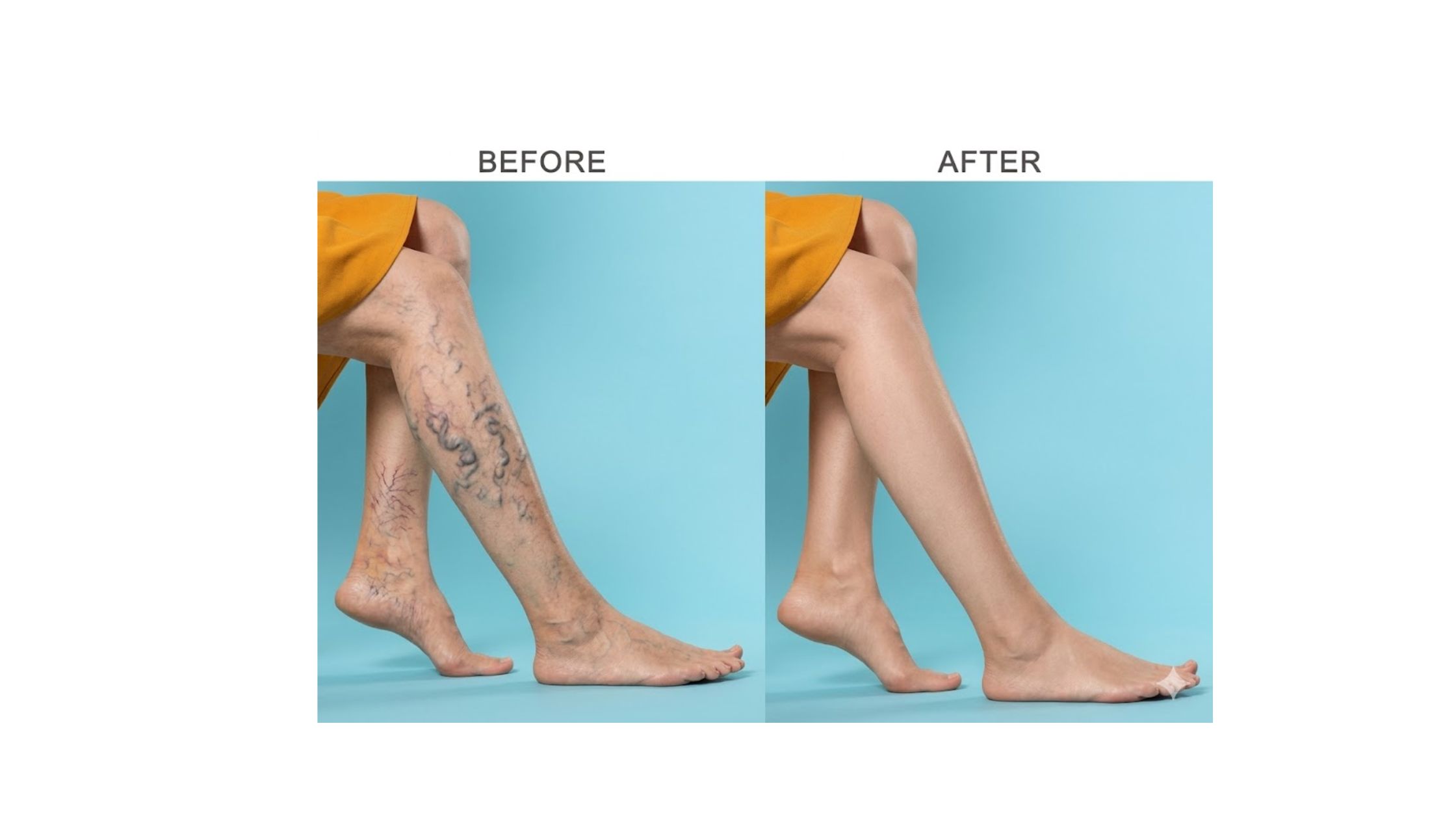
Varicose veins laser treatment recovery time is one of the most common questions patients ask — and one of EVLA’s strongest advantages.
| Timeline | What to Expect |
| Day 1 | Walk immediately after the procedure; compression stocking required |
| Days 2–5 | Mild bruising and tightness; light daily activity encouraged |
| Week 1–2 | Return to desk work and normal routine; avoid heavy lifting |
| Week 2–4 | Bruising fully resolves; most patients feel completely normal |
| 3 Months | Follow-up ultrasound to confirm vein closure and treatment success |
Patients are encouraged to walk daily from day one. Prolonged sitting or standing should be avoided during the first two weeks.
EVLA vs. Traditional Vein Stripping: A Direct Comparison
| Factor | EVLA Treatment | Surgical Stripping |
| Anesthesia | Local only | General |
| Procedure time | 45–60 minutes | 1–2 hours |
| Hospital stay | None (outpatient) | 1–2 days |
| Recovery | 1–2 weeks | 4–6 weeks |
| Scarring | Minimal (needle entry only) | Surgical incisions |
| Success rate | 95–98% | 85–90% |
| Recurrence at 5 years | 5–10% | 25–30% |
| Pain level | Low | Moderate to high |
The clinical evidence consistently favors EVLA vein treatment for eligible patients.
Is Laser Treatment for Varicose Veins Safe for Every Patient?
Is laser treatment for varicose veins safe for all patients? Not universally. EVLA may not be appropriate if you:
- Are pregnant
- Have a history of deep vein thrombosis without medical clearance
- Have very tortuous or superficially located veins that require a different approach
- Are on blood thinners without physician coordination
This is why a thorough pre-procedure ultrasound evaluation and consultation with a qualified vein specialist is essential before scheduling treatment.
The Role of Certified Cardiologists in Effective Vein Therapy
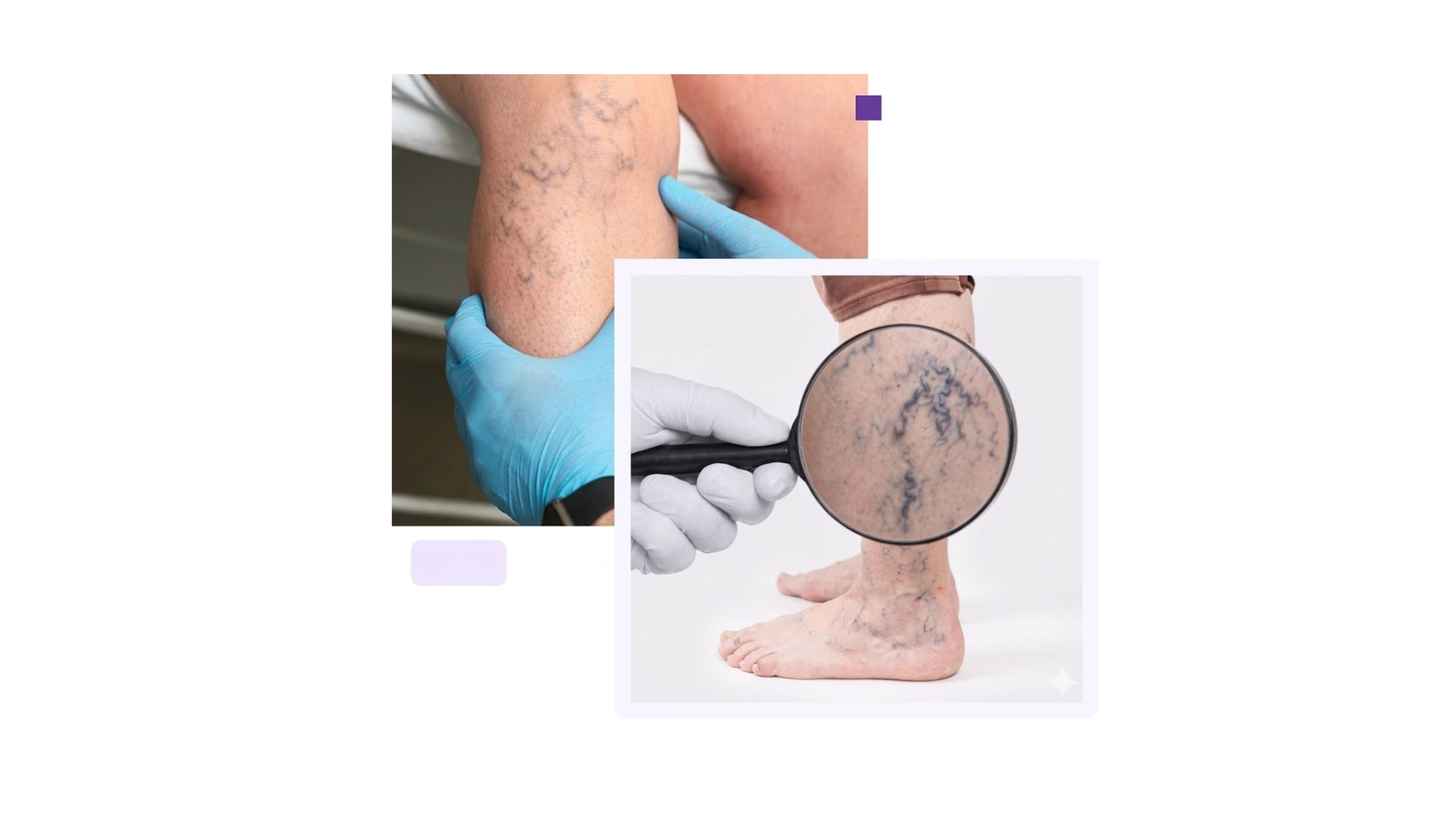
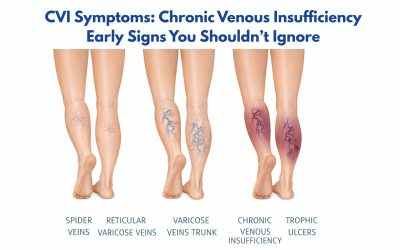
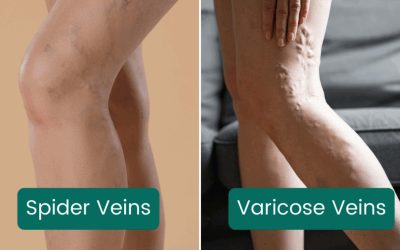
Varicose veins are not just a cosmetic issue — they are a vascular condition. Venous reflux, the underlying cause of most varicose veins, involves abnormal blood flow patterns that require precise diagnosis and treatment planning.
For patients in the Clear Lake, Webster, and Kemah areas, Dr. Shalaby brings over 25 years of cardiovascular experience to vein care — a level of expertise that matters when precision and patient safety are the priority.
Dr. Shalaby is a board-certified Cardiologist in Webster TX, with over 25 years of caring for patients in Kemah, Clear Lake, and Webster. His clinical experience includes work at leading institutions such as the Texas Heart Institute and St. Luke’s Hospital. This background supports precise diagnosis and safe, effective treatment outcomes.
That depth of cardiovascular training is not standard in every vein clinic. When you choose Dr. Shalaby for endovenous laser ablation treatment, you are choosing a physician who understands your vascular system as a whole — not just the surface-level symptom.
Conclusion
If you are experiencing leg pain, swelling, or visible varicose veins, the next step is a proper ultrasound evaluation — not guesswork. Endovenous laser ablation treatment is most effective when diagnosed and performed by a doctor specializing in varicose veins who can see the full picture.
Being a renowned cardiologist in Webster Texas, Dr. Shalaby and his team serve patients throughout Clear Lake, Webster, Kemah, and surrounding communities. Call at 281-956-7070 or visit our Vein Center to learn more about the procedure.