Most people assume a heart problem will feel obvious. But what many people fail to realize is that heart disease does not always begin with dramatic chest pain or a sudden medical emergency. In many cases, the symptoms of heart disease develop slowly and may seem unrelated to the heart. Shortness of breath, unusual fatigue, swelling, or changes in your skin can sometimes be early warning signals that your cardiovascular system needs attention.
Recognizing early signs of heart disease symptoms and getting a timely evaluation can make a major difference in preventing complications. A heart condition caught early is often easier to manage with proper lifestyle changes, monitoring, and medical care.
Why Many People Miss the Early Signs of Heart Disease
Many patients delay seeing a doctor because early heart symptoms can feel mild or unrelated. A person may assume they are simply tired from work, experiencing stress, or getting older. However, changes in how your body handles everyday activities can sometimes signal that your heart needs attention.
During more than 25 years of cardiovascular care, Dr. Shalaby has helped patients throughout Webster, Clear Lake, Kemah, and surrounding communities understand that early evaluation plays an important role in preventing serious heart complications.
Heart disease remains the leading cause of death in the United States. According to the Centers for Disease Control and Prevention (CDC), heart disease caused more than 695,000 deaths in the United States in 2021, highlighting the importance of prevention, screening, and early diagnosis.
The heart affects every part of the body, which is why warning signs may appear in different ways. Some symptoms involve the chest, while others appear as changes in breathing, energy levels, circulation, or physical performance.
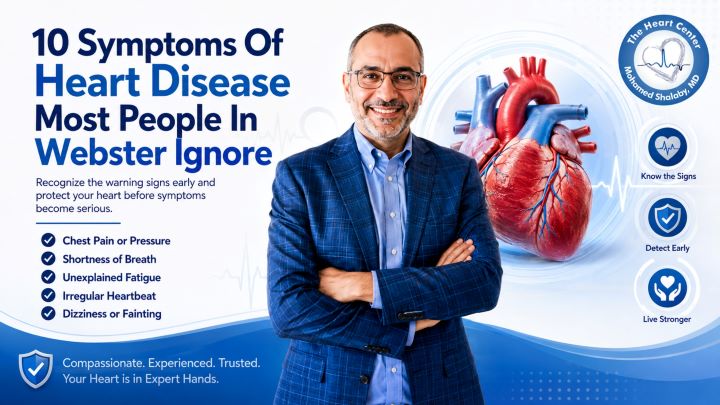
10 Symptoms of Heart Disease You Should Pay Attention To
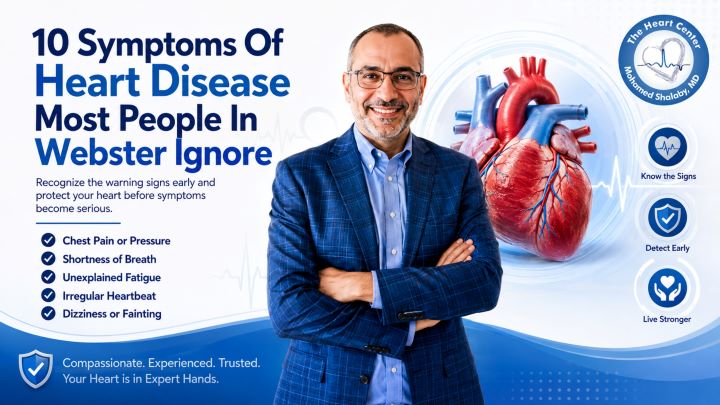
Many people delay visiting a heart specialist because they believe their symptoms are caused by stress, aging, or daily routines. However, understanding the 10 symptoms of heart disease can help you recognize when it is time to seek professional guidance.
1. Chest Pressure, Tightness, or Unusual Discomfort
Chest discomfort is one of the most recognized warning signs of heart problems, but it does not always feel like severe pain. Some patients describe it as:
- Pressure or heaviness in the chest
- Tightness during activity
- Burning or squeezing sensations
- Discomfort that spreads to the arm, jaw, neck, or back
A common mistake is waiting for symptoms to become intense before seeking help. Dr. Shalaby recommends that new or unexplained chest discomfort should always be evaluated, especially if it appears during exercise or stressful situations.
2. Shortness of Breath During Normal Activities
Shortness of breath is one of the most commonly ignored heart-related symptoms. If activities that were previously easy, such as walking, climbing stairs, or carrying groceries, suddenly become difficult, it may indicate that your heart is not working as efficiently as it should.
Shortness of breath can also be associated with symptoms of congestive heart disease, especially when combined with fatigue, swelling, or difficulty breathing while lying down. The American Heart Association identifies shortness of breath, fatigue, and swelling as common warning signs associated with heart failure.
3. Unexplained Fatigue and Low Energy
Feeling tired after a long day is normal. However, persistent fatigue without a clear explanation should not be ignored. When the heart cannot pump blood efficiently, the body may receive less oxygen, leading to reduced energy and difficulty completing everyday activities.
Women should pay special attention because early signs of heart disease in females can sometimes appear differently. Instead of classic chest pain, women may experience:
- Unusual fatigue
- Sleep problems
- Nausea
- Shortness of breath
- Discomfort in the back, jaw, or shoulders
4. Swelling in the Legs, Feet, or Ankles
Swelling in the lower body can sometimes be a sign that fluid is building up because of circulation problems. Patients should pay attention to:
- Shoes feeling tighter than usual
- Persistent ankle swelling
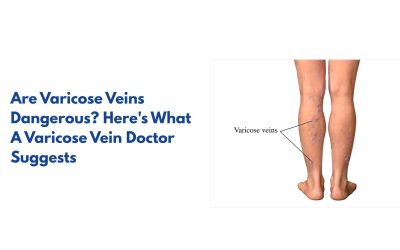
- Heavy or uncomfortable legs
Dr. Shalaby evaluates whether swelling is related to heart function, circulation, or other conditions. A complete cardiovascular assessment helps identify the actual cause rather than treating only the visible symptom.
5. Irregular Heartbeat or Frequent Palpitations
A racing, fluttering, or irregular heartbeat may occur occasionally, but frequent episodes should not be ignored. Heart rhythm changes can affect how effectively blood moves through the body. A cardiologist may recommend:
- Electrocardiogram (ECG)
- Heart rhythm monitoring
- Additional cardiovascular testing
A heart screener with ECG can help identify abnormal rhythms and determine whether further evaluation is needed.
6. Dizziness, Lightheadedness, or Fainting
Repeated dizziness or fainting episodes may indicate that the heart is not maintaining proper blood circulation. These symptoms require additional attention when they occur with:
- Chest discomfort
- Rapid heartbeat
- Shortness of breath
- Weakness
A cardiovascular evaluation can help determine whether the cause is related to heart rhythm, blood pressure, or circulation.
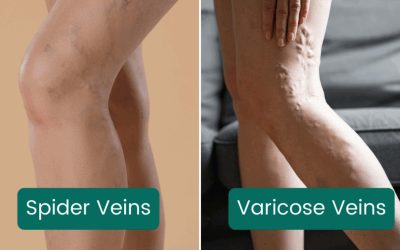
7. Skin Changes That May Indicate Circulation Problems
Many people do not associate visible changes in their skin with heart health. However, circulation problems can sometimes create noticeable changes. Possible skin signs of heart disease may include:
- Bluish discoloration of lips or fingertips
- Swelling
- Changes related to poor circulation
These signs can have multiple causes, but discussing unusual changes with a healthcare provider can help identify potential concerns.
8. Pain in the Jaw, Neck, Back, or Arms
Heart-related symptoms do not always occur directly in the chest. Some patients experience discomfort in:
- The jaw
- Neck
- Shoulders
- Upper back
- Arms
These symptoms can be among the 5 warning signs before a heart attack, especially when combined with sweating, nausea, chest pressure, or breathing difficulties.
9. High Blood Pressure and Cholesterol Without Symptoms
High blood pressure and cholesterol are often called silent risk factors because many people feel completely healthy while they are developing.
Over time, these conditions can damage arteries and increase the risk of heart disease.
The CDC reports that high blood pressure, high cholesterol, and smoking are among the major risk factors contributing to cardiovascular disease. Regular heart health screening helps identify these risks before they lead to serious complications.
10. Reduced Exercise Ability
One of the most overlooked warning signs is a noticeable decline in physical ability. You may need a cardiovascular evaluation if you notice:
- Less endurance during workouts
- Longer recovery after activity
- Increased fatigue compared to previous months
Your body often notices changes before a medical test does. A decrease in your ability to perform normal activities can provide important information about your heart health.
When Should You See Cardiac Solutions Doctors in Webster?
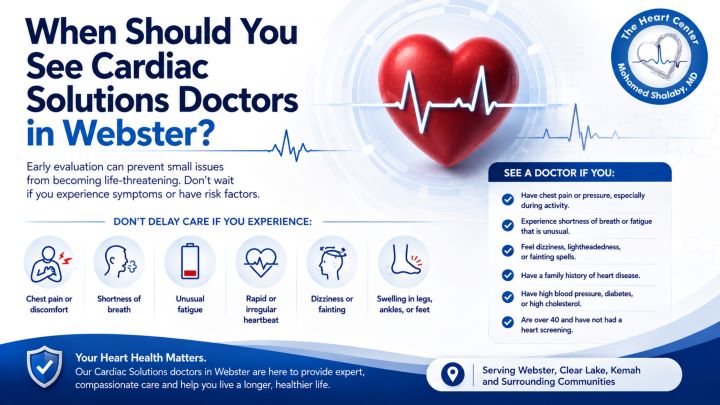
Many patients usually wonder when to see a cardiac specialist doctor. The answer depends on your symptoms, risk factors, and overall health history. You should consider scheduling a cardiovascular evaluation if you experience:
- New chest discomfort
- Unexplained shortness of breath
- Frequent palpitations
- Leg swelling
- Family history of heart disease
- High blood pressure
- High cholesterol
- Reduced exercise tolerance
For individuals searching for a cardiologist in Webster, TX, Dr. Shalaby provides early evaluation, solutions, and helps create a personalized prevention plan.
How Dr. Shalaby Evaluates Heart Health
A complete heart evaluation is not only about treating symptoms. It is about understanding why those symptoms are occurring. Dr. Shalaby uses a comprehensive approach that may include:
Medical History Review
Understanding your family history, lifestyle habits, medications, and existing health conditions helps identify cardiovascular risks.
Diagnostic Testing
Depending on your symptoms, testing may include:
- Echocardiogram
- Stress testing
- Blood pressure evaluation
- Additional cardiovascular imaging
Preventive Heart Care
As a board-certified cardiologist, Dr. Shalaby focuses on identifying risks early and helping patients make informed decisions about their cardiovascular health.
Trusted Heart and Vascular Care in Webster, Clear Lake, and Kemah
Choosing the right heart specialist means choosing experience, knowledge, and a physician who understands the community he serves. For more than 25 years, Dr. Shalaby has cared for patients in Webster, Clear Lake, Kemah, and surrounding areas.
His medical experience includes working with respected healthcare institutions such as Texas Heart Institute, St. Luke Hospital, Clear Lake Regional Medical Center, Memorial Southeast Hospital, St. John Hospital, and Mainland Medical Center. His goal is simple: to provide patients with accurate diagnoses, preventive guidance, and personalized cardiovascular care.
Conclusion
Heart disease often develops gradually, and the earliest warning signs are frequently the ones people overlook. However, understanding the symptoms of heart disease, maintaining regular screenings, and consulting an experienced cardiologist can help protect your future heart health.
With more than 25 years of experience serving Webster, Clear Lake, and Kemah communities, Dr. Shalaby provides comprehensive cardiovascular care focused on prevention, early detection, and long-term wellness.
To learn more about heart evaluations or schedule an appointment with Dr. Shalaby, visit https://drshalaby.com/ or call 281-956-7070 for expert cardiovascular guidance.