Varicose veins are more than a cosmetic concern. If left untreated, they can progress into a debilitating chronic condition that disrupts daily life and raises serious cardiovascular risks. Understanding the early signs and symptoms of varicose veins is the first step toward protecting your long-term health. This guide identifies five specific warning signs that indicate it’s time to explore varicose veins pain treatments — and what those treatments actually involve.
What Can Cause Varicose Veins? The Root Problem and Signs
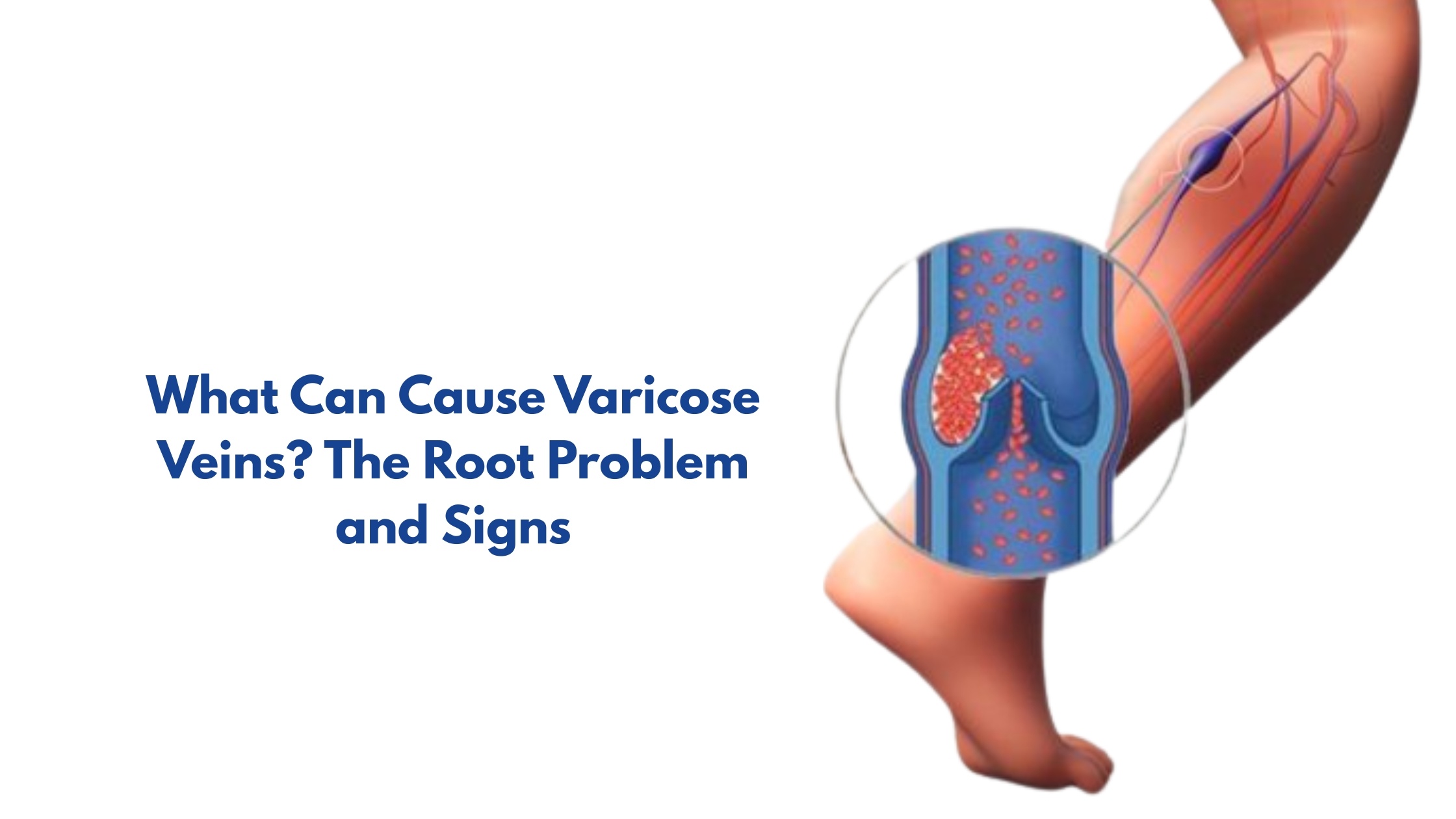
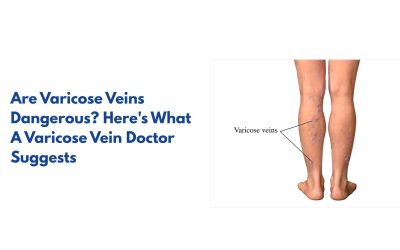
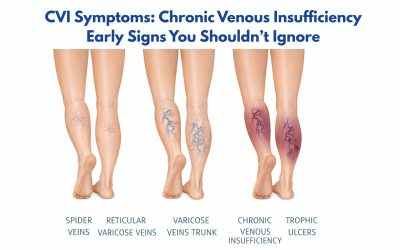
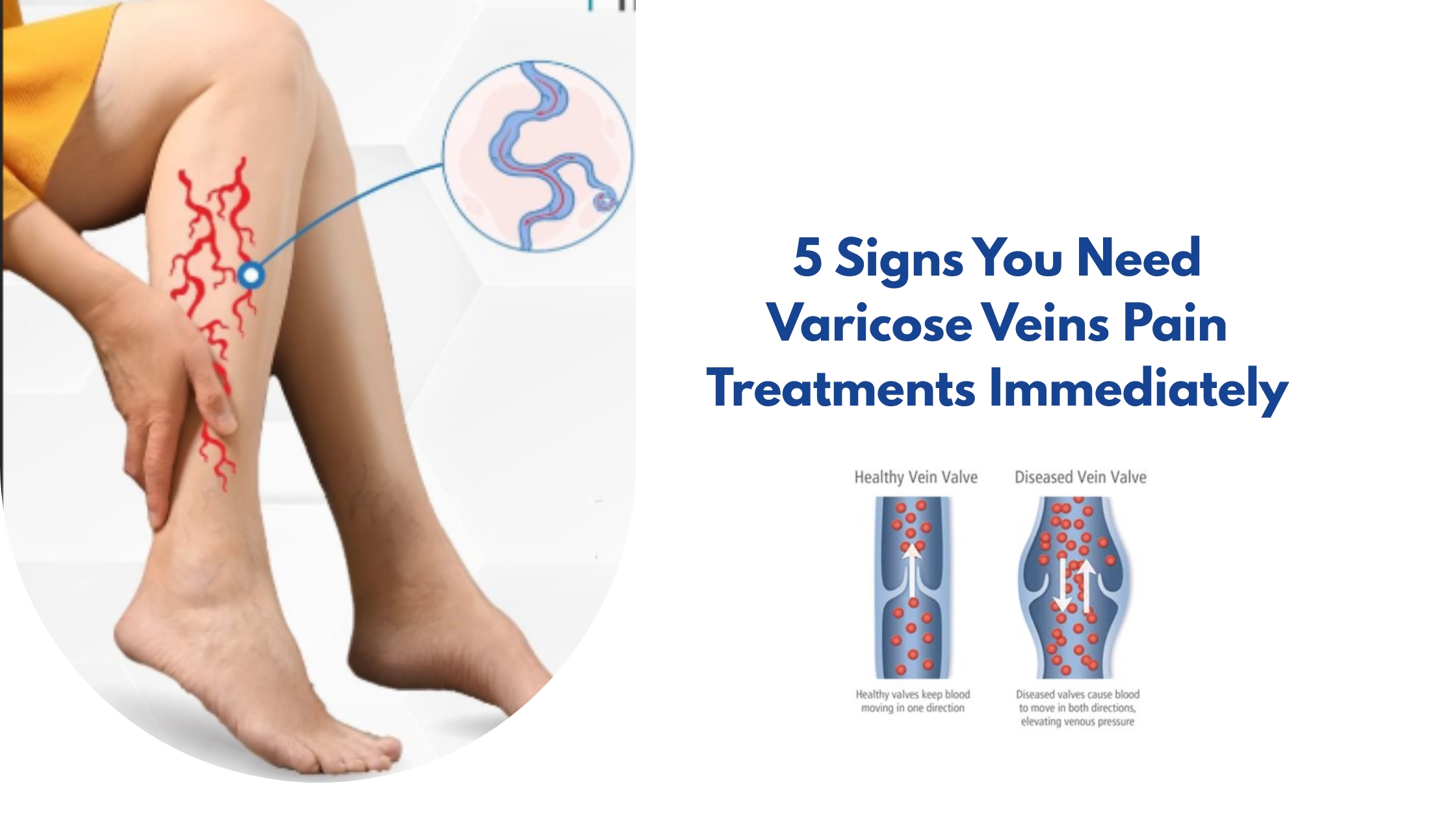
First, let’s understand what causes varicose veins. Healthy veins rely on one-way valves to push blood back toward the heart. When these valves weaken or fail — due to age, genetics, prolonged standing, pregnancy, or obesity — blood pools in the vein walls. It causes them to stretch, bulge, and twist visibly beneath the skin.
According to the Society for Vascular Surgery, millions of adults experience symptomatic vein disease, particularly individuals over 50 and those with prolonged standing occupations. Hence, identifying all varicose veins early signs can help patients seek treatment before complications develop.
Varicose Veins Pain Treatments: 5 Varicose Veins Early Signs You Shouldn’t Ignore
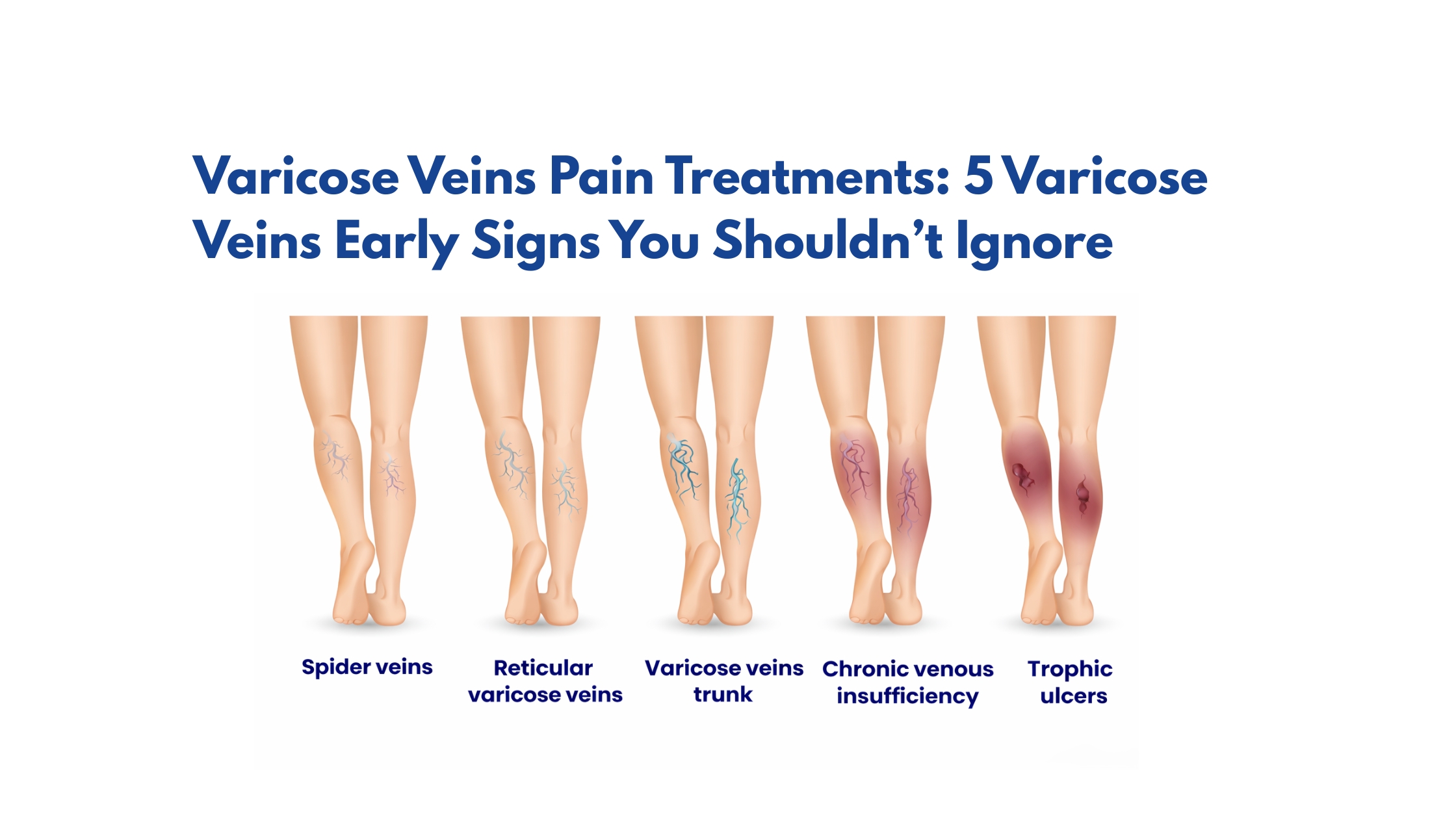
- Persistent Aching or Heaviness in the Legs
A dull, throbbing ache that worsens after standing or sitting for extended periods is often the earliest pain signal. Many patients describe it as a “tired heaviness” that doesn’t resolve with rest the way ordinary muscle fatigue does.
This symptom directly reflects increased venous pressure. When pooled blood chronically stretches vein walls, surrounding tissue becomes inflamed. If this aching is an ongoing pattern rather than an occasional occurrence, it qualifies as one of the clearest varicose veins early signs that professional evaluation is warranted.
- Visible Swelling in the Ankles and Feet (Edema)
Fluid accumulation — edema — in the lower extremities indicates that the venous system is failing to efficiently return blood to the heart. The ankles and feet swell because pressure in the damaged veins forces plasma into surrounding tissues.
Unlike mild swelling from a hot day or a long flight, vein-related edema tends to be consistent, pitting (skin holds an indentation when pressed), and worse by evening. This is a measurable, objective sign — one that a varicose vein clinic can assess using duplex ultrasound to evaluate blood flow patterns.
- Skin Changes: Discoloration, Itching, or Thickening Near the Veins
Brownish skin discoloration (hemosiderin staining), itching, dry flaking skin, and thickening of the lower leg — collectively called lipodermatosclerosis — are advanced early signs and symptoms of varicose veins that signal tissue damage, not just cosmetic changes.
These changes occur when red blood cells leak from distended veins and deposit iron pigment in the skin. If untreated, the skin can break down into a venous leg ulcer — a painful, slow-healing wound that affects approximately 1–2% of adults with chronic venous insufficiency. Skin changes at this stage are a strong indicator that varicose veins pain treatments are no longer optional.
- Night Cramps, Restless Legs, or Burning Sensations
Nocturnal leg cramping, a restless, crawling sensation in the legs, and unexplained burning or tingling are frequently overlooked as signs of varicose vein disease. They are, however, recognized symptoms in clinical literature as related to impaired venous circulation.
- Bleeding, Clotting, or Burst Veins: Understanding What Can Cause Varicose Veins to Rupture
The skin overlying varicose veins becomes thin and fragile over time. Even minor trauma — a bump, or shaving the leg — can cause a vein to rupture and bleed significantly. Understanding what causes varicose veins to burst is critical because this is a medical event that can result in heavy blood loss and requires immediate attention.
Common Factors behind Varicose Veins
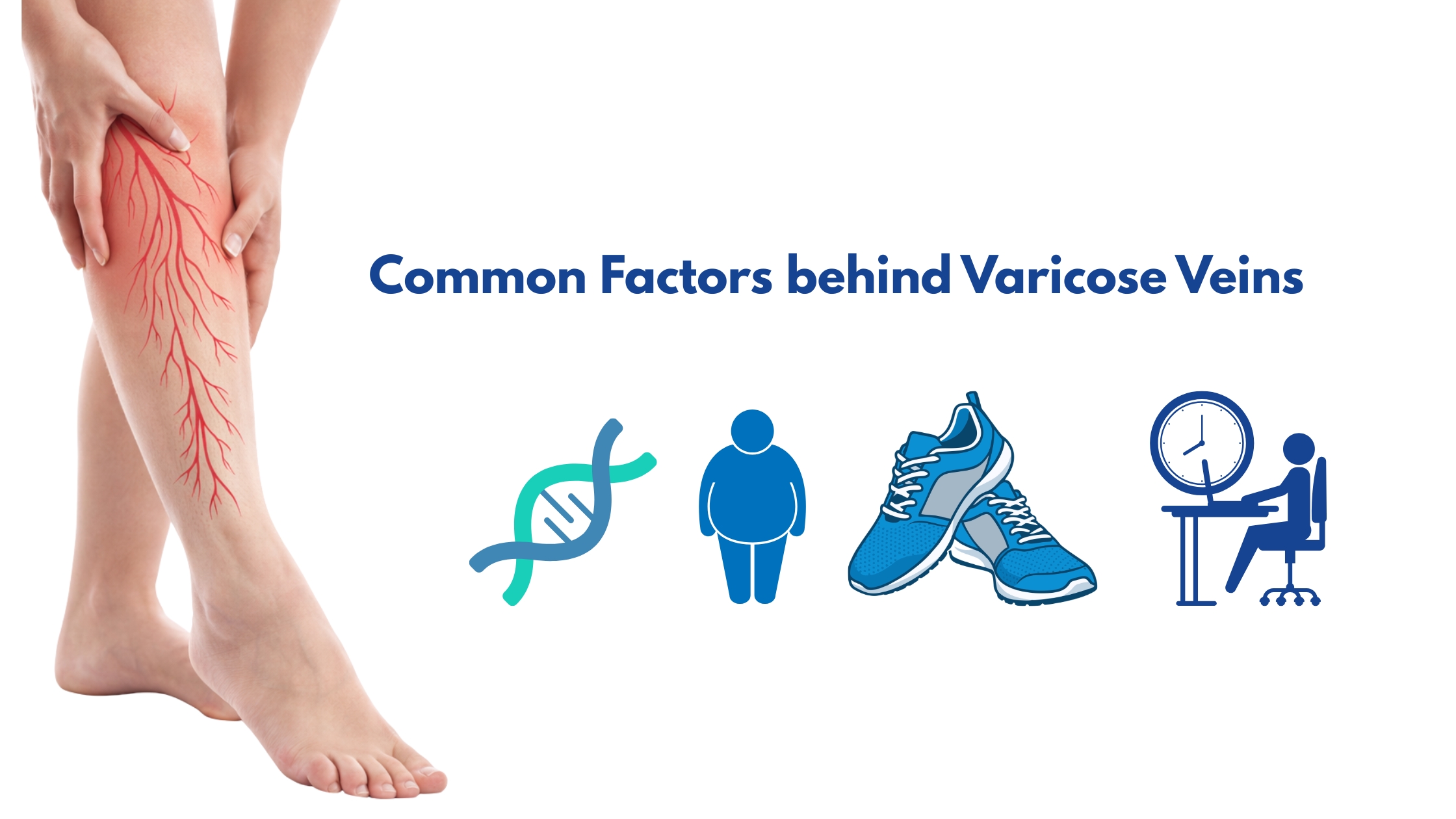
- Family history of venous disease
- Aging
- Pregnancy
- Obesity
- Sitting or standing for long periods
- Limited circulation from inactivity
- Female sex (hormonal changes increase susceptibility)
- Sedentary lifestyle
According to the National Heart, Lung, and Blood Institute, varicose veins affect roughly 1 in 4 American adults — making an accurate diagnosis for varicose veins essential at the earliest opportunity.
What Happens If Varicose Veins Are Left Untreated?
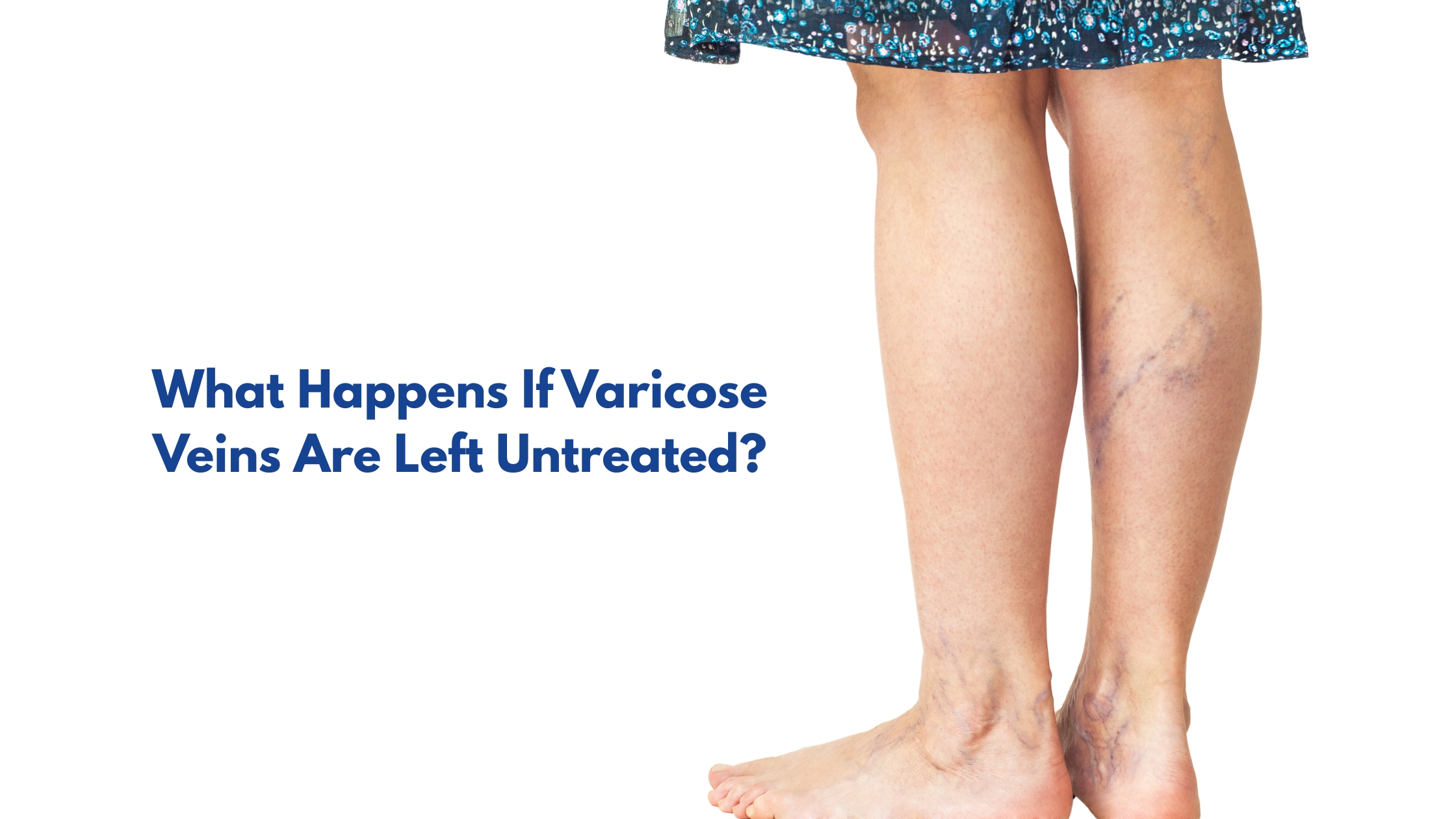
Many patients delay treatment because varicose veins don’t initially seem serious. This is a common and costly mistake. What happens if varicose veins are left untreated follows a predictable progression:
| Stage | What Occurs | Risk Level |
| Early | Aching, visible bulging veins, spider veins | Low — manageable with compression & lifestyle |
| Moderate | Edema, skin discoloration, night cramps, thrombophlebitis | Moderate — treatment strongly recommended |
| Advanced | Venous ulcers, recurrent bleeding, DVT risk | High — requires medical intervention |
Important: Venous leg ulcers can take months to heal and have a recurrence rate exceeding 50% without definitive vein treatment. Early intervention dramatically reduces both cost and complexity of care.
Why Early Varicose Veins Pain Treatments Matter?
One of the biggest misconceptions about vein disease is that treatment is only cosmetic. In reality, early varicose veins pain treatments may:
- Improve circulation
- Reduce pain and swelling
- Prevent skin damage
- Lower the risk of disease progression
- Improve mobility and daily comfort
Modern procedures are typically office-based, minimally invasive, and designed for quick recovery.
How to Get Rid of Varicose Veins: Varicose Veins Pain Treatments Explained
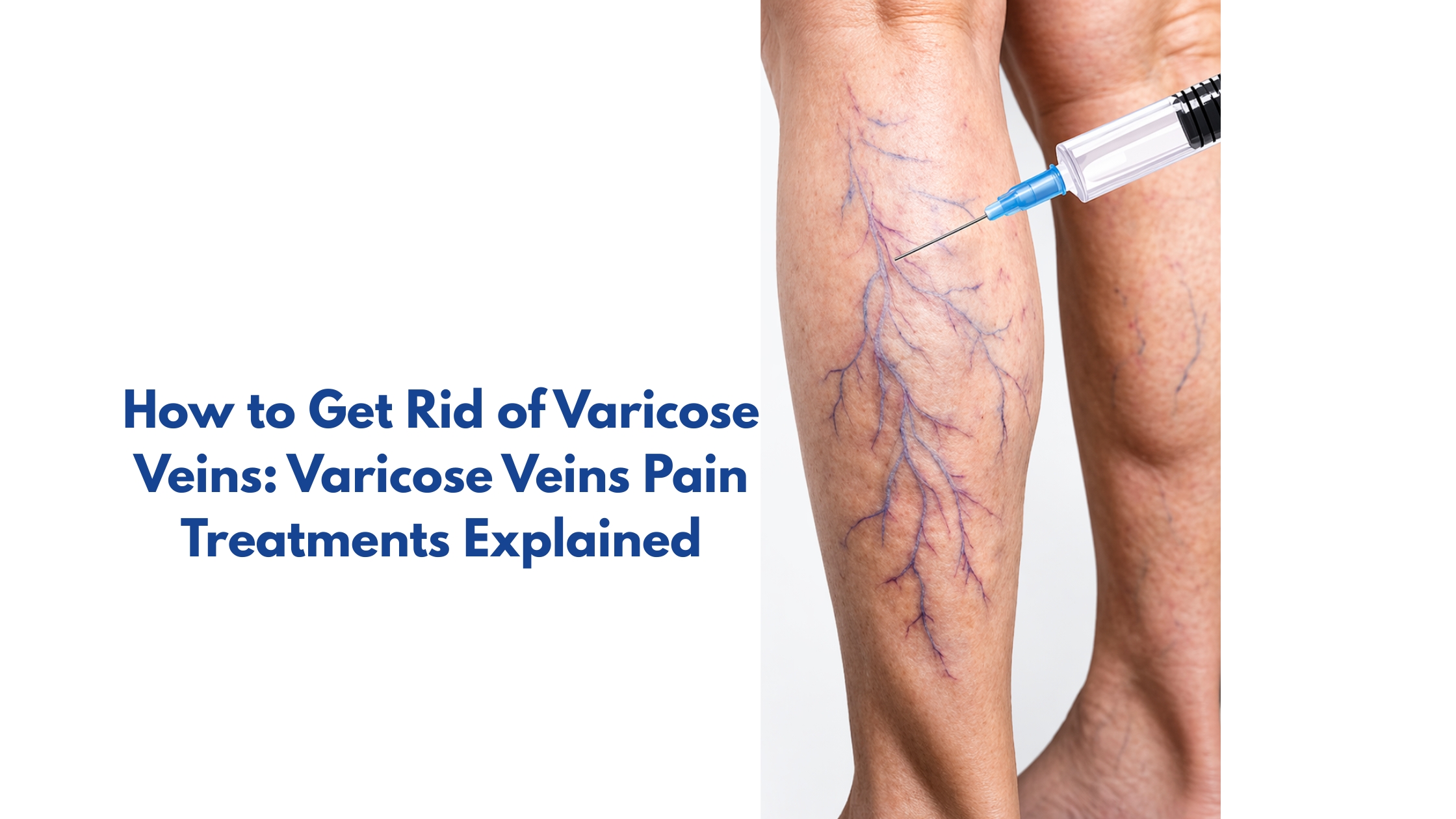
The good news: modern varicose veins pain treatments are minimally invasive, highly effective, and typically performed in an outpatient varicose vein clinic setting with no hospitalization required.
1. Endovenous Laser Ablation Treatment (EVLT)
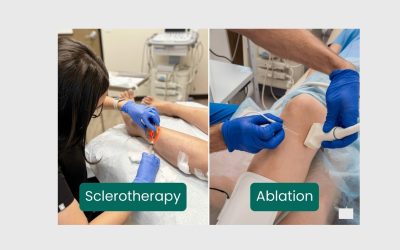
Endovenous laser ablation treatment is the gold-standard procedure for large varicose veins. A thin laser fiber is inserted into the affected vein under ultrasound guidance. Laser energy heats the vein wall, causing it to collapse and seal shut. Blood is naturally rerouted through healthy veins.
The National Institutes of Health notes that endovenous thermal ablation methods, including EVLT, achieve closure rates above 90% at five years — outperforming older surgical stripping in both outcomes and recovery time. Patients typically return to normal activity within 24–48 hours.
2. Laser Treatment for Varicose Veins (Surface)
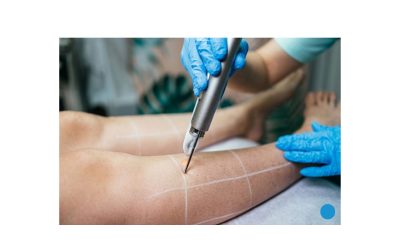
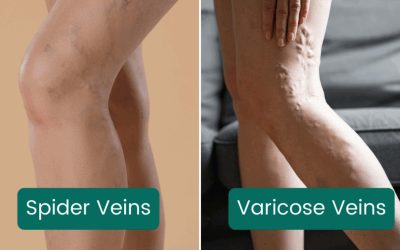
For smaller veins and spider veins on the skin’s surface, external laser treatment for varicose veins uses targeted light energy to fade and close vessels without any incision. It is most effective for vessels under 3mm in diameter and is frequently used in combination with ablation for comprehensive results.
3. Sclerotherapy
A sclerosant solution is injected directly into the affected vein, causing it to scar and gradually fade. Ultrasound-guided sclerotherapy is used for deeper veins; visual (direct) sclerotherapy treats surface spider veins. Multiple sessions are often required, but the technique is well-tolerated and requires no anesthesia.
4. Compression Therapy & Lifestyle Modifications
Medical-grade compression stockings (20–30 mmHg or higher) are often the first line of management. While they do not eliminate varicose veins, they measurably reduce pain and swelling and slow disease progression. Pairing compression with weight management, regular walking, and leg elevation forms the conservative foundation of any varicose vein care plan.
Note on Insurance Coverage: Many insurers cover varicose veins pain treatments when documented symptoms — pain, swelling, skin changes — are present and conservative care has been trialed first. Ask your varicose vein clinic for pre-authorization support. At Dr. Shalaby’s varicose vein clinic in Webster, Texas, we consider insurance for treatment listed on our website. Visit: https://drshalaby.com/.
Consult Board-Certified Cardiologist in Webster TX — Dr. Shalaby
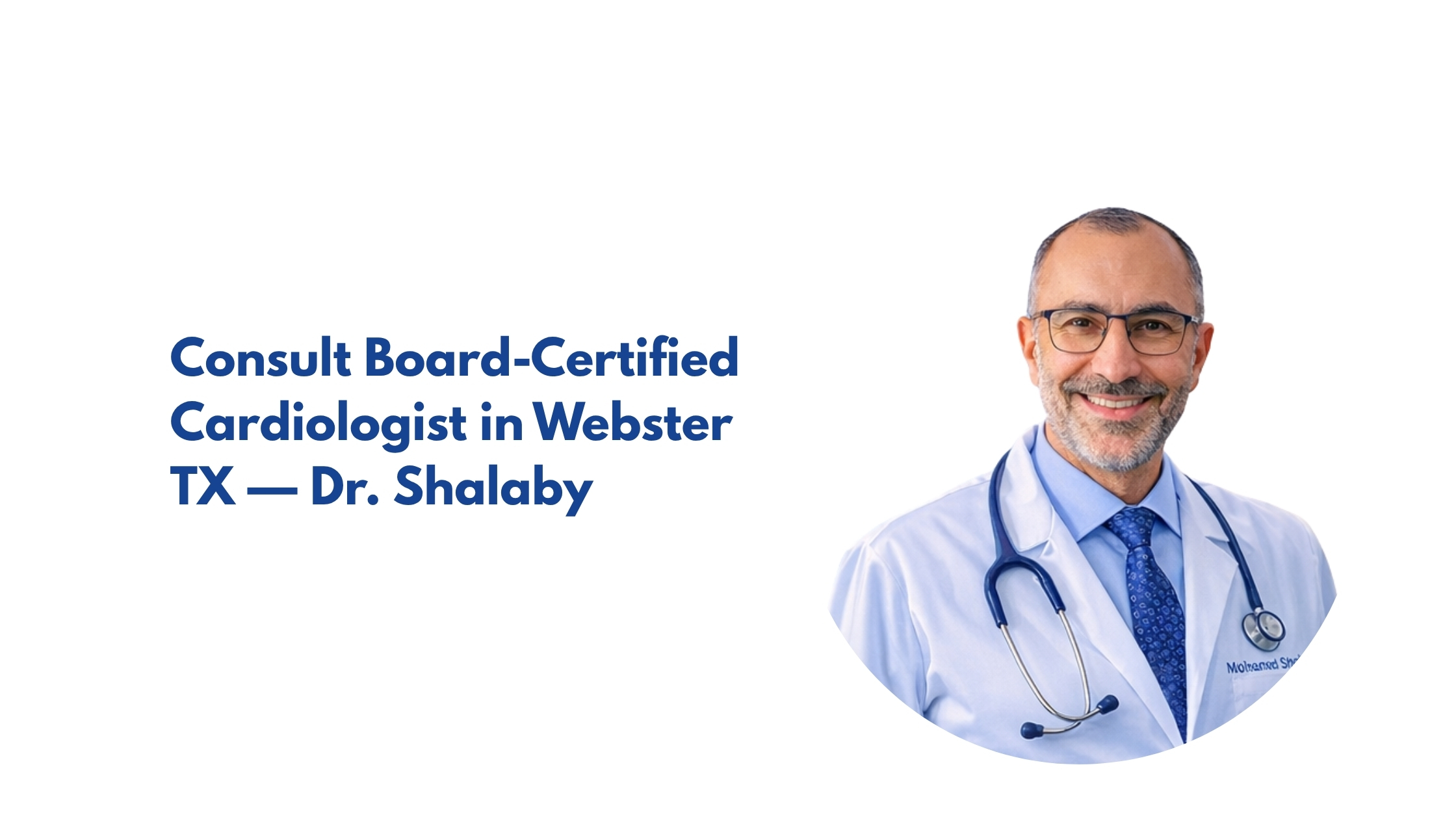
For over 25 years, Dr. Shalaby has been caring for the cardiovascular and vascular health of patients in Kemah, Clear Lake, Webster, and the communities surrounding them. His depth of cardiology expertise uniquely positions him to evaluate varicose vein disease in the context of overall circulatory health — something a general clinic simply cannot offer.
Dr. Shalaby has practiced at some of the most respected institutions in the region, including:
- Texas Heart Institute
- St. Luke’s Hospital
- Clear Lake Regional Medical Center
- Memorial Southeast Hospital
- Mainland Medical Center
If you’ve experienced any of the five signs described in this article, don’t wait. Patients across the Clear Lake area trust Dr. Shalaby as their go-to cardiovascular and vein specialist — because experience, credentials, and community matter.
Summing Up
Recognizing the danger signs of varicose veins is essential for protecting long-term circulation and preventing complications. Symptoms such as leg heaviness, swelling, skin changes, and visible bulging veins are not simply cosmetic concerns—they are often indicators of progressive venous dysfunction.
The most effective varicose veins pain treatments begin with accurate diagnosis and early intervention. Patients who seek care before complications develop typically experience better outcomes, faster recovery, and improved quality of life.
With decades of cardiovascular experience and a long-standing commitment to communities like Kemah, Webster, and Clear Lake, Dr. Shalaby, a board-certified cardiologist in Webster TX provides comprehensive vein evaluations focused on both symptom relief and long-term vascular health.
Call Dr. Shalaby’s varicose vein clinic at 281-956-7070 to schedule an expert consultation.