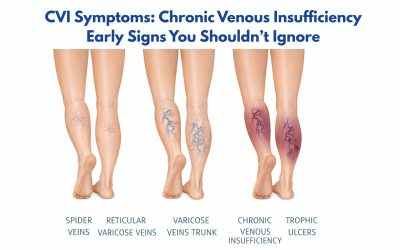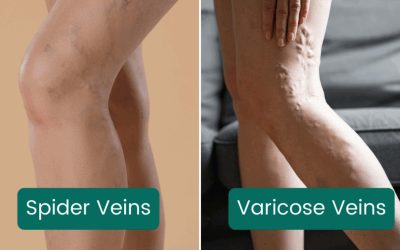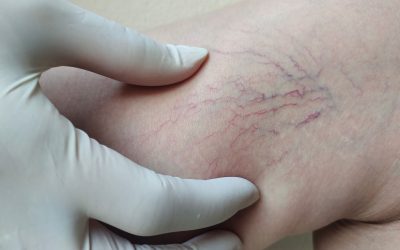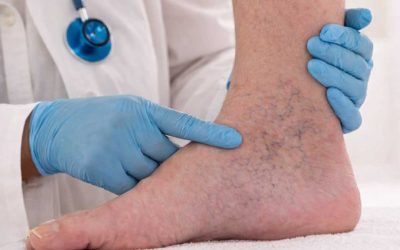
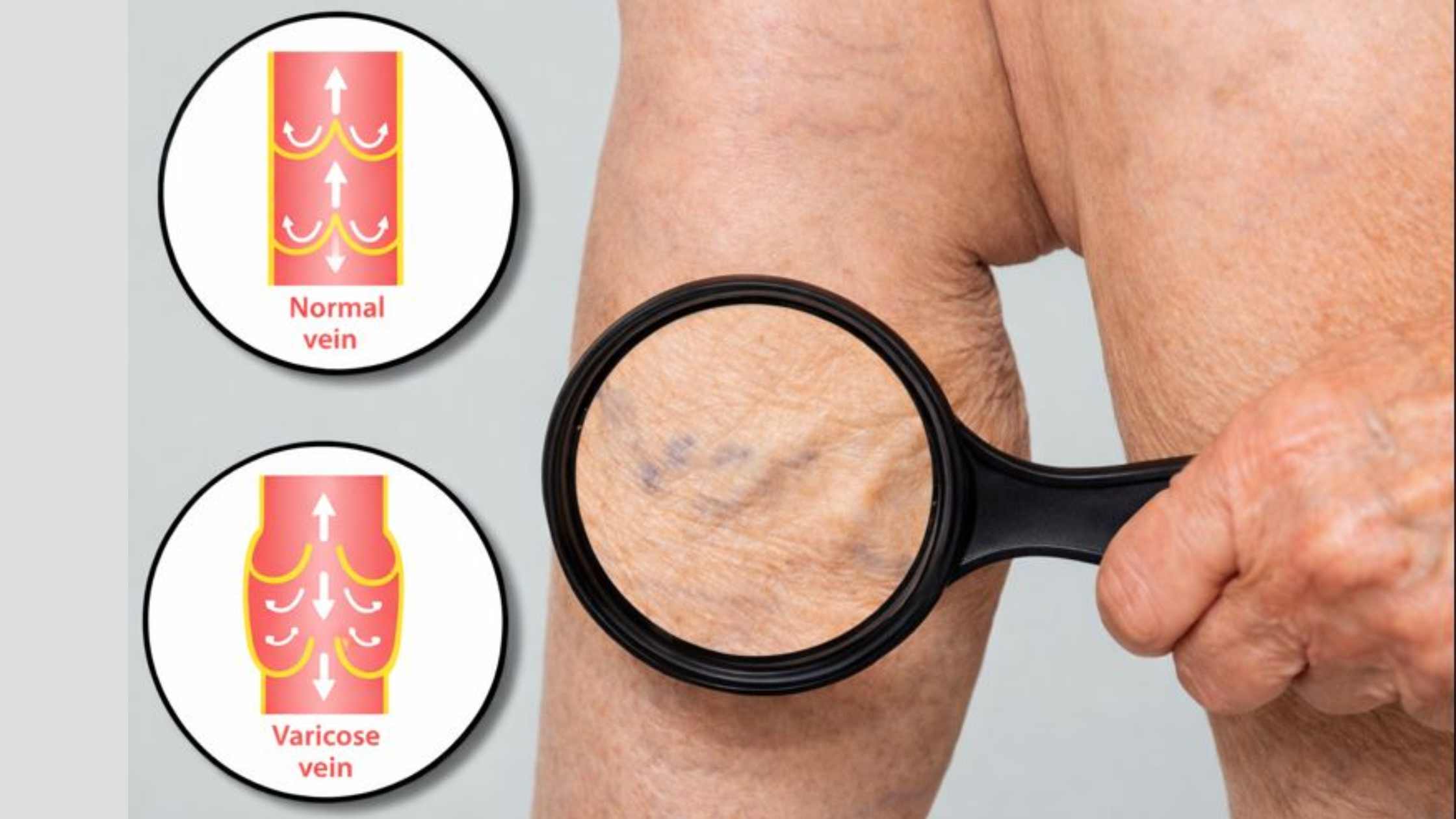
For many, the first sign of a vascular issue is the appearance of twisted, bulging purple lines on the legs. However, varicose veins are far more than a cosmetic frustration; they are a clear clinical indicator of underlying venous insufficiency. When the tiny valves in your veins weaken, blood begins to pool rather than flow back to the heart, leading to the swelling and discomfort many patients experience daily.
At the clinic of Dr. Shalaby, we prioritize patient education to ensure you understand that these veins are a treatable medical condition, not just an inevitable part of aging.
What Exactly Are Varicose Veins?
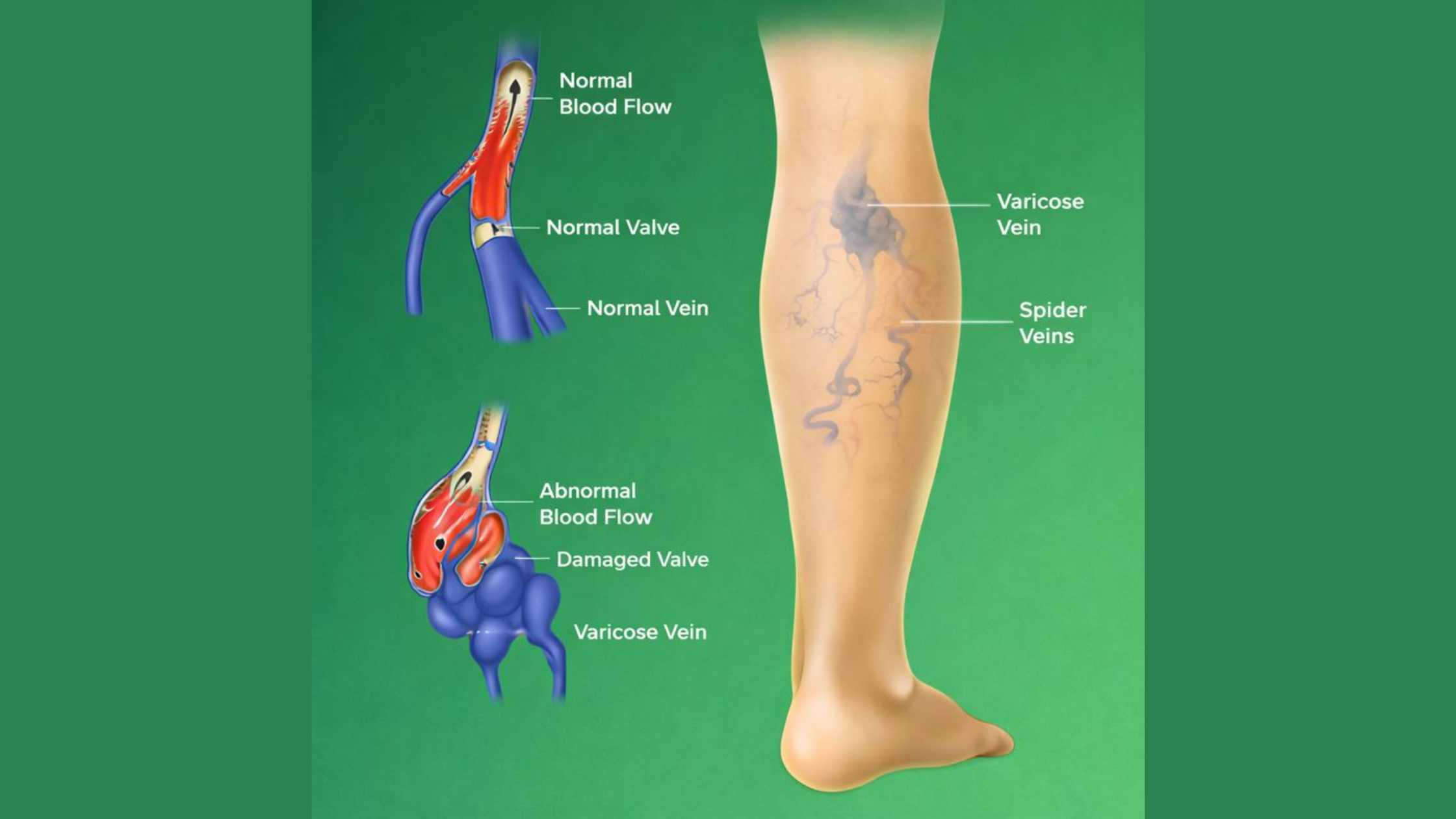
Varicose veins occur when one-way valves inside the veins weaken or fail, allowing blood to pool instead of flowing efficiently back to the heart. Over time, this pressure causes veins to stretch, twist, and become visibly enlarged.
Unlike spider veins, varicose veins often come with physical symptoms, not just visible changes. Left untreated, they may progress through different varicose veins stages, increasing the risk of complications.
According to the National Institutes of Health (NIH), over 23% of adults in the U.S. have varicose veins, with prevalence increasing significantly after age 40.
The Science of Venous Insufficiency
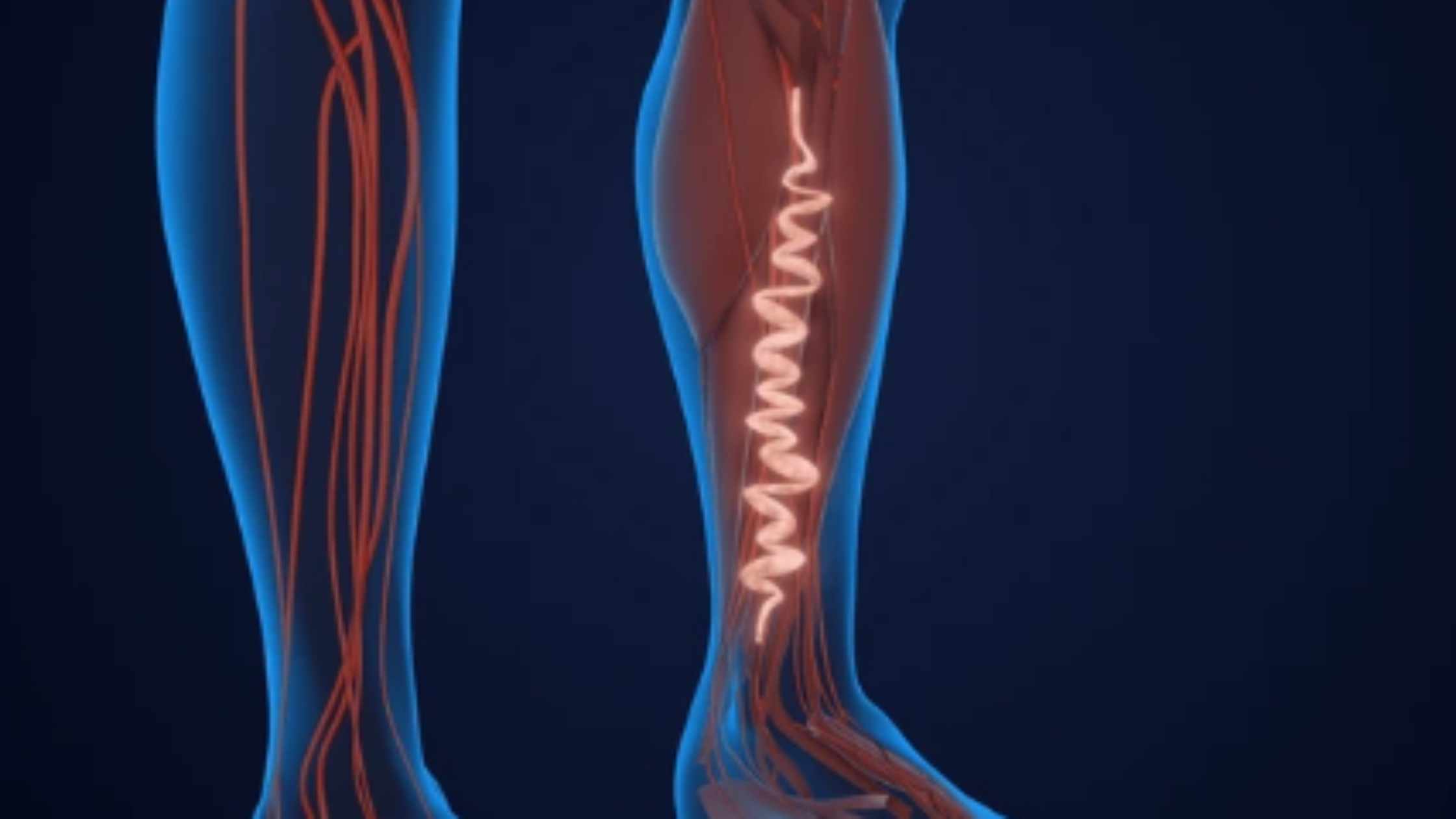
To understand how do you get varicose veins, one must look at the mechanics of the circulatory system. Your leg muscles act as a pump, and the veins have one-way valves to prevent blood from flowing backward. When these valves fail, the result is “reflux,” causing the vein to stretch and bulge.
According to research published by the Society for Vascular Surgery, approximately 20% to 25% of all adults suffer from some form of varicose disease. While it is a common condition, the early stage varicose veins symptoms—such as a heavy feeling in the limbs or mild swelling at the end of the day—are often ignored until the discomfort becomes chronic.
How Do You Get Varicose Veins? Key Risk Factors
Several factors can be behind Varicose Veins causes:
- Family history of vein disease
- Prolonged standing or sitting, especially at work
- Pregnancy, due to increased blood volume and hormonal changes
- Obesity, which adds pressure to leg veins
- Aging, as vein valves naturally weaken over time
The American Heart Association confirms that chronic venous insufficiency—the condition behind varicose veins—worsens when circulation problems go untreated.
Identifying Early Signs and Progression
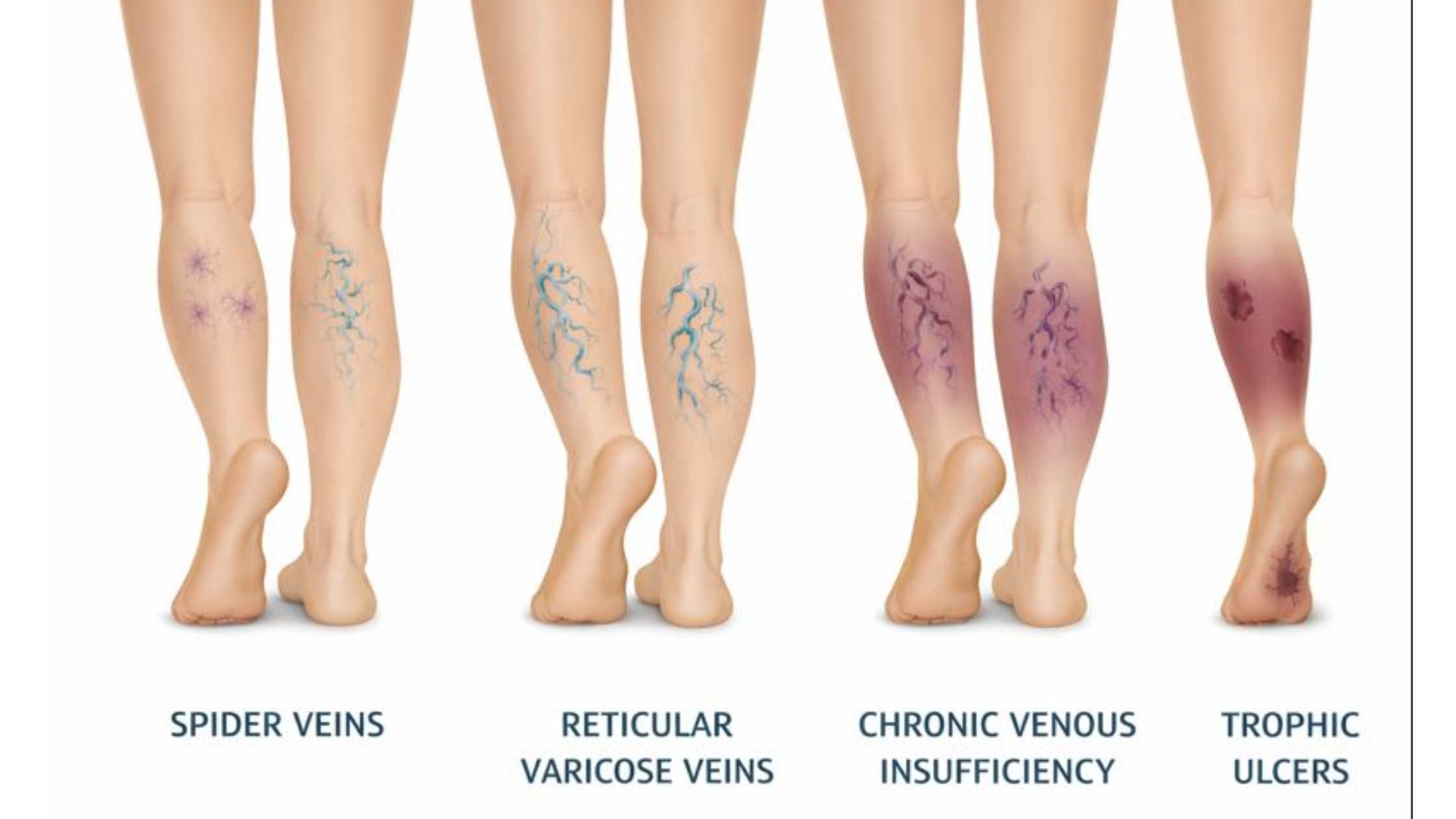
Recognizing varicose veins early signs is the most effective way to prevent long-term complications. Many patients ask, “Are varicose veins dangerous?” While they may start as a mild ache, they can progress through several varicose veins stages, eventually leading to skin ulcers, blood clots, or Deep Vein Thrombosis (DVT).
Common symptoms to watch for include:
- Varicose veins symptoms: Burning, throbbing, or muscle cramping in the lower legs.
- Physical Changes: Discoloration of the skin around a painful vein or hardened skin texture.
- The “Heavy” Sensation: A persistent feeling of fatigue in the legs that worsens after standing or sitting for long periods.
If you are experiencing these symptoms, seeking a doctor for varicose veins early can prevent the condition from escalating into a more severe vascular emergency.
Are Varicose Veins Dangerous If Left Untreated?
Yes, varicose veins can be dangerous when ignored. Research published in the Journal of Vascular Surgery shows that untreated vein disease may lead to:
- Skin ulcers
- Chronic swelling and inflammation
- Blood clots (superficial thrombophlebitis)
- Venous bleeding
This is why consulting a doctor for varicose veins early is critical—not just for comfort, but for long-term vascular health.
Why Early Varicose Vein Treatment Makes a Difference?
Early intervention often eliminates the need for varicose vein surgery. Modern varicose veins treatment options are minimally invasive, performed in-office, and require little downtime.
Benefits of early treatment include:
- Faster symptom relief
- Lower risk of complications
- Improved circulation
- Better cosmetic outcomes
- Shorter recovery time
Dr. Shalaby, a trusted varicose veins doctor specialist, emphasizes personalized care plans based on ultrasound diagnostics and clinical evaluation—ensuring patients receive the most effective treatment at the right time.
Modern Solutions: From Management to Relief
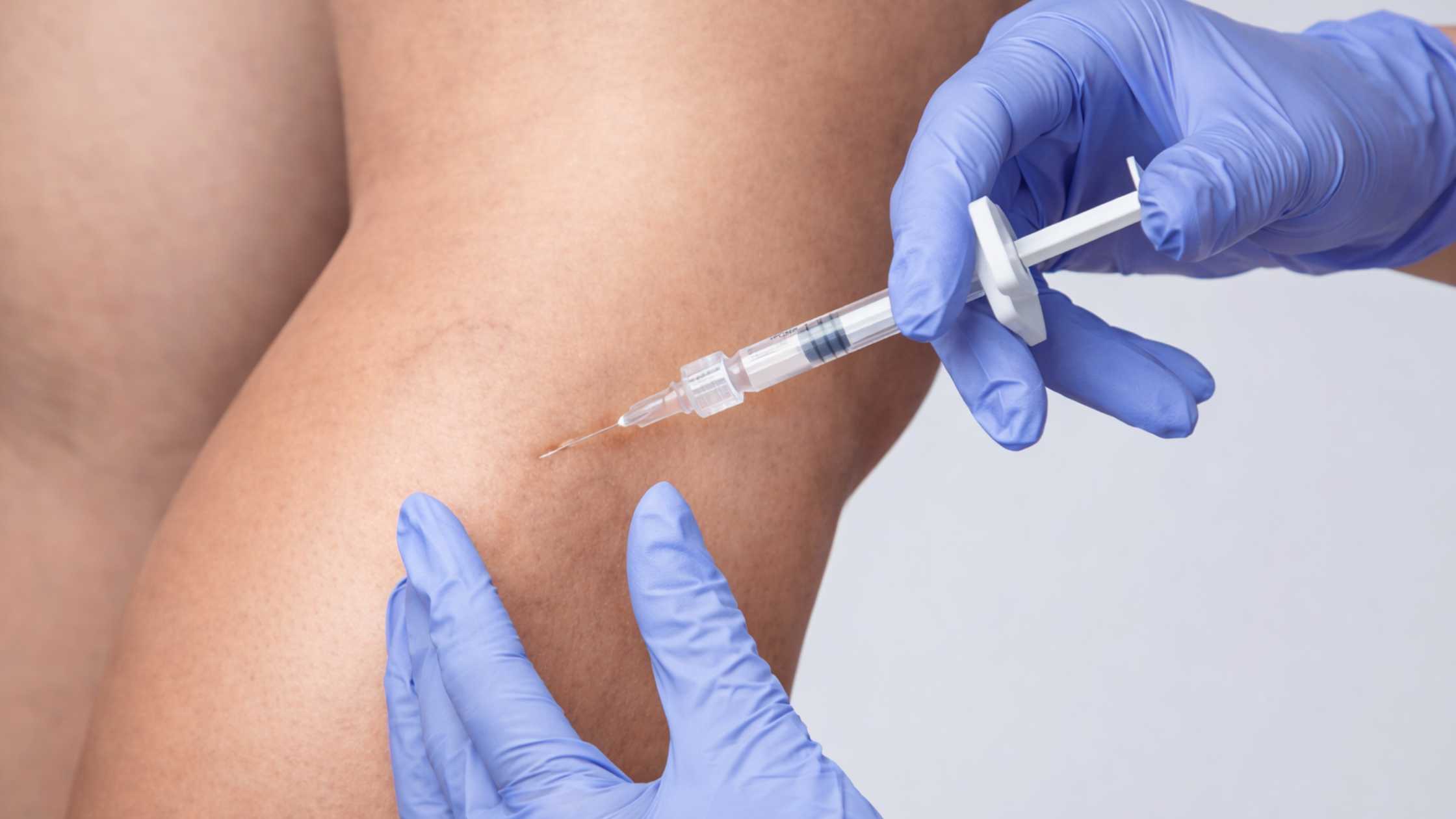
When searching for varicose vein doctors near me, it is vital to choose a practice that offers a comprehensive suite of diagnostic and treatment options. Dr. Shalaby provides expert varicose vein treatment tailored to the specific stage of your condition.
Current advanced treatments include:
- Sclerotherapy: Ideal for smaller veins and early-stage issues.
- Endovenous Laser Treatment (EVLT): A highly effective, minimally invasive alternative to traditional surgery.
- Radiofrequency Ablation: Using heat to close off the diseased vein.
The goal of the best doctor for varicose veins is to restore healthy circulation. By closing the diseased vein, blood is naturally rerouted to healthier vessels, immediately reducing pressure and pain.
Can You Stop Them?
Understanding how to prevent varicose veins involves managing the factors within your control. While genetics and age play a role, lifestyle choices are significant. To reduce your risk:
- Maintain a healthy weight: Excess weight puts additional pressure on your valves.
- Move regularly: Avoid prolonged standing or sitting.
- Incorporate “Vein-Friendly” Exercise: Walking and swimming strengthen the calf muscles that help pump blood upward.
However, if you have a family history of venous disease, you should be proactive. Knowing when to worry about varicose veins usually comes down to the “persistence” of symptoms. If the aching does not go away with rest, it is time to consult doctors who specialize in varicose veins.
Expert Care from Dr. Shalaby
Your legs carry you through life, and they deserve the highest standard of care. Choosing the best doctor for varicose veins means choosing a specialist who combines clinical precision with a patient-centered approach. If you’re searching for varicose vein doctors near me or the best doctor for varicose veins in Texas, Dr. Shalaby provides advanced diagnostic expertise and patient-centered treatment.
Dr. Shalaby is recognized as the varicose vein best doctor in the region, offering cutting-edge technology to resolve your discomfort and restore your confidence. His approach focuses on clinical outcomes, comfort, and long-term vein health, not one-size-fits-all solutions.
Call (281) 956-7070 to schedule a professional vein assessment.
The Final Statement
Varicose veins rarely improve on their own—and delaying care can lead to unnecessary pain, complications, and more invasive treatment later. Early evaluation by a qualified doctor of varicose veins allows for safer, simpler, and more effective care.
If you’re noticing symptoms or visible changes, now is the time to act. Schedule a consultation with Dr. Shalaby today and take a proactive step toward healthier circulation, more comfortable legs, and lasting peace of mind.
Take the first step toward pain-free legs today. Visit DrShalaby.com to learn more about our specialized vascular services, or call us directly at (281) 956-7070 to schedule your comprehensive evaluation. Let us help you regain your mobility and skin health with the expert care you deserve.