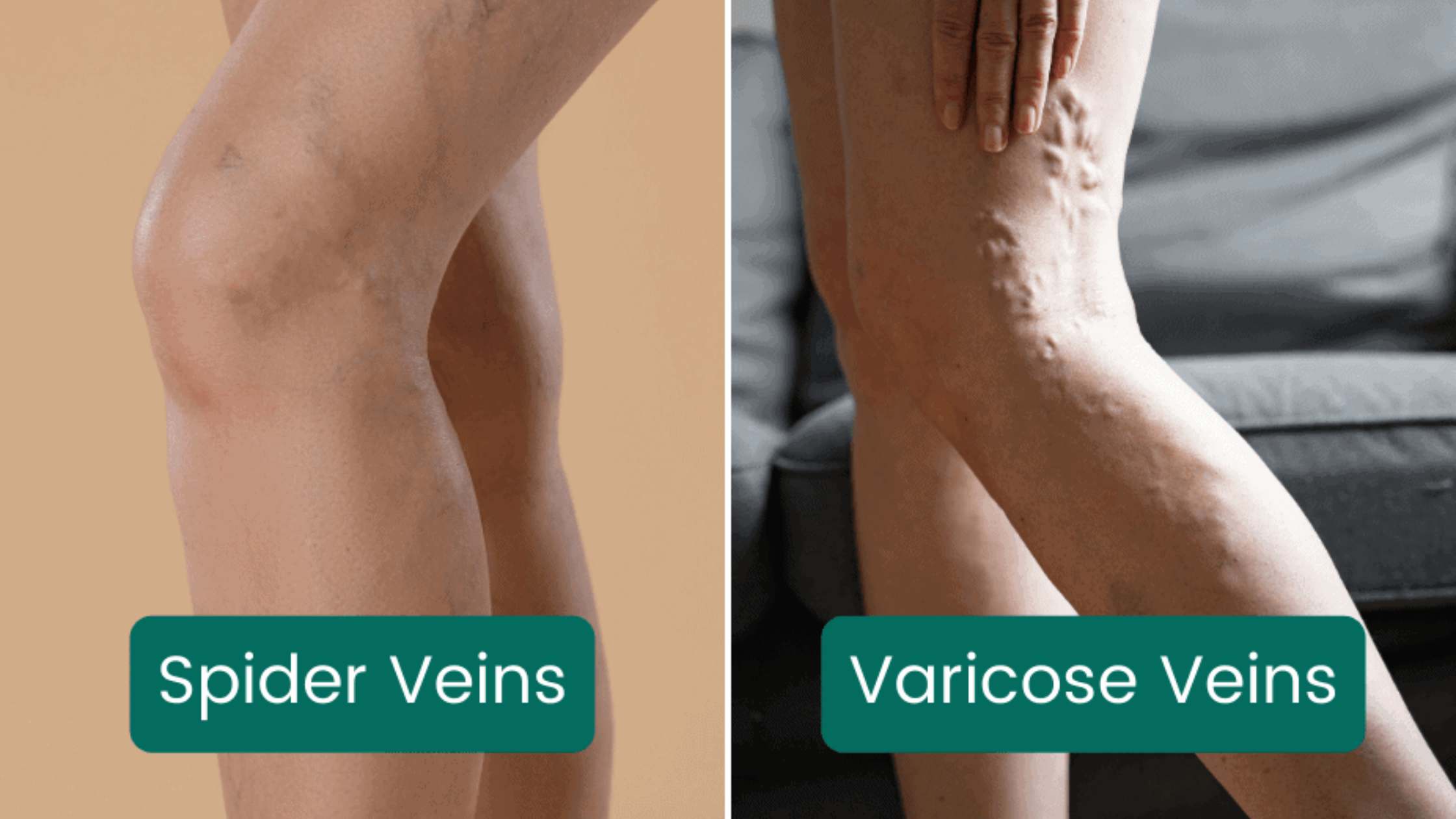
When you notice unusual veins appearing on your legs, it’s natural to wonder what they are and whether they pose any health risks. Two of the most common types of venous concerns are varicose veins and spider veins. While they may seem similar—both visible, both affecting the lower extremities, both potentially cosmetic concerns—they’re distinctly different conditions with different causes, presentations, and treatment approaches.
Approximately 23% of US adults have varicose veins, yet many don’t understand how they differ from spider veins. Understanding these differences is crucial not only for addressing your cosmetic concerns but also for identifying whether you need medical evaluation or treatment.
Whether you’re experiencing early signs of vein disease or simply noticing cosmetic changes in your skin, this comprehensive guide will help you understand exactly what you’re dealing with and what your next steps should be.
What Are Varicose Veins?
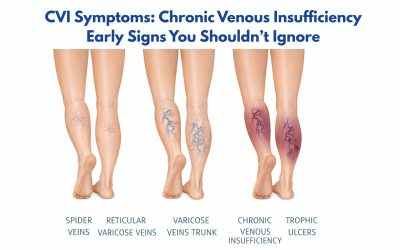
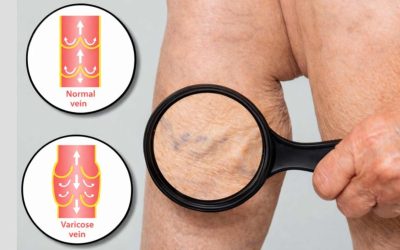
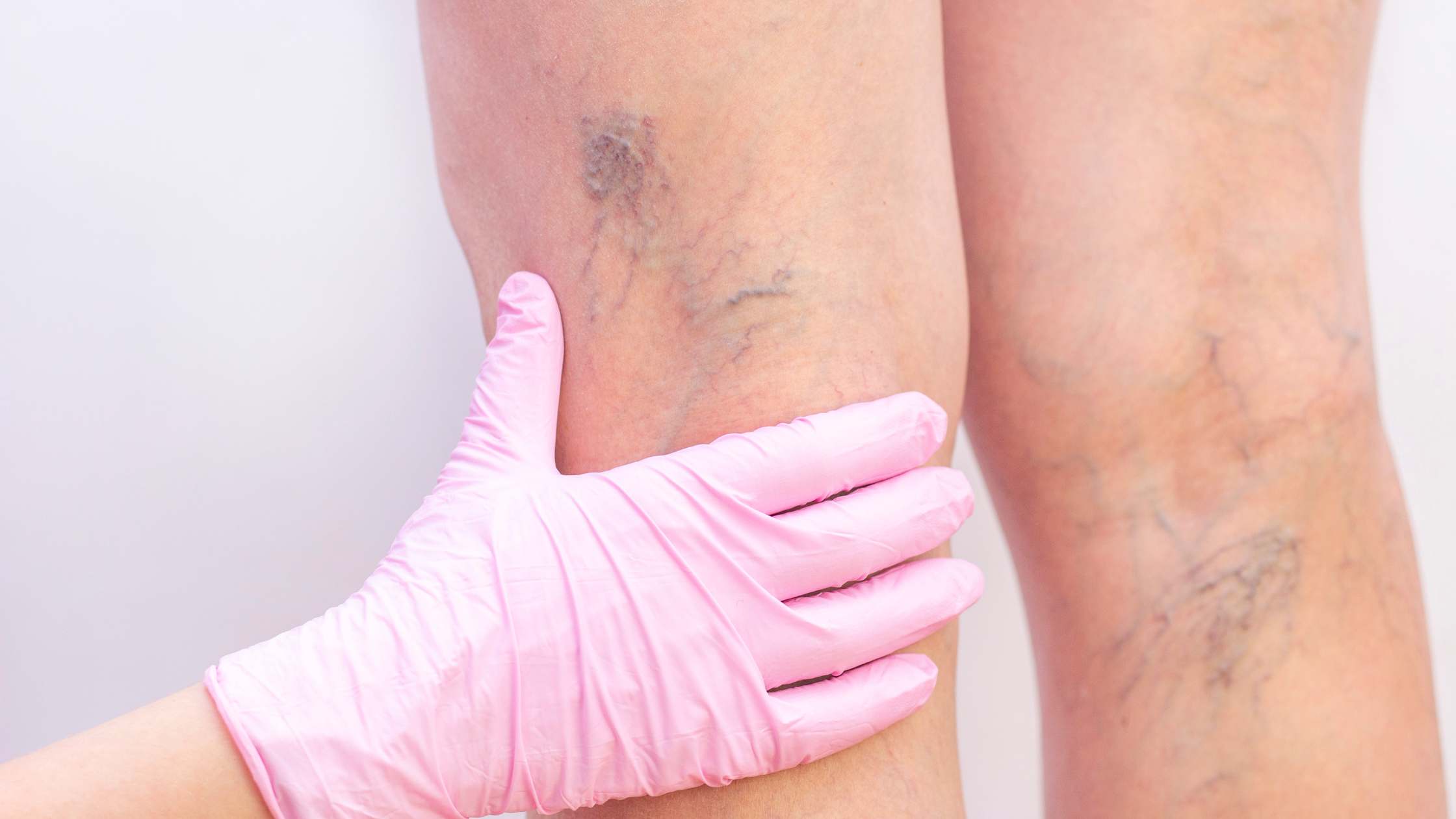
Varicose veins are enlarged, twisted, or swollen veins that become visible beneath the skin. Unlike the microscopic veins you may see with spider veins, varicose veins are substantially larger—typically more than 3 millimeters in diameter. They often appear dark blue or purple and frequently have a raised, bulging appearance.
These veins most commonly develop in the lower legs and feet, where blood must work against gravity to return to the heart. When the tiny valves inside your veins become weak or damaged, blood pools rather than flowing freely, causing the vein walls to stretch and the characteristic twisted appearance to develop.
The Prevalence of Varicose Veins
The scope of this condition is significant. In the USA, the prevalence is around 4500/100,000, affecting around 22 million women and 11 million men. It is estimated that 33% of the general population aged between 18 and 64 years are influenced by varicose veins.
The condition becomes increasingly common with age. It is estimated that 41% of women over the age of 50 have varicose veins, and it is estimated that 50% of the US population over 50 years old has varicose veins. This age-related progression reflects the cumulative impact of time on vein health.
Key Characteristics of Varicose Veins
- Size: Greater than 3mm in diameter (considerably larger than spider veins)
- Appearance: Dark blue, purple, or red; bulging or rope-like
- Location: Primarily lower legs, thighs, ankles, and feet
- Symptoms: Often cause discomfort, heaviness, aching, swelling, and fatigue in the legs
- Visibility: Prominently raised above the skin surface
The symptoms associated with varicose veins extend beyond appearance. Many people experience leg pain, a sensation of heaviness, or swelling by day’s end. Some develop skin changes, including discoloration or texture changes. In more advanced cases, varicose veins can lead to complications like skin ulcers or blood clots.
What Are Spider Veins?
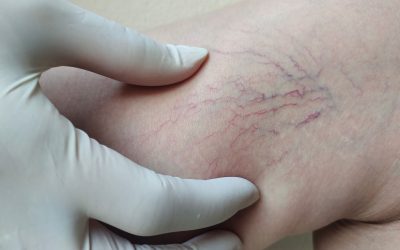
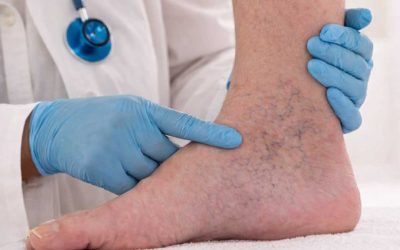
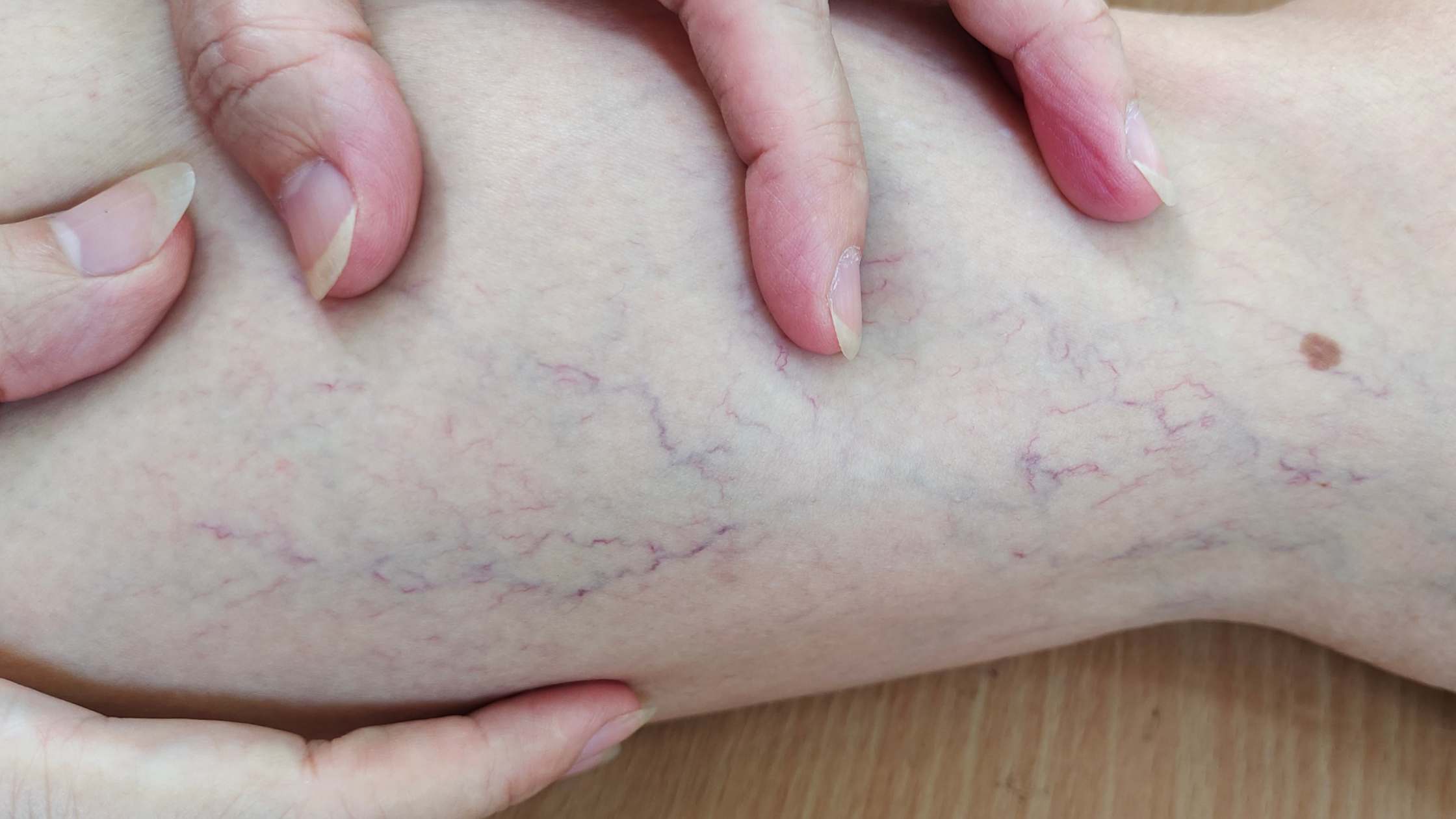
Spider veins, medically known as telangiectasias, are much smaller than varicose veins. These tiny, damaged blood vessels typically measure less than 1 millimeter in diameter and appear as thin lines just beneath the skin’s surface.
Spider veins can form anywhere on your body, but they often show up on your legs. Spider veins (telangiectasias) are damaged, visible blood vessels just beneath your skin’s surface. They typically look red, blue or purple. They may appear in clusters that resemble spider webs or tree branches.
The Scope of Spider Vein Disease
Interestingly, spider veins are far more common than many people realize. Research has shown 79% of adult males and 88% of adult females have leg telangiectasia. Despite this high prevalence, many people don’t seek treatment unless they become bothered by the cosmetic appearance.
Key Characteristics of Spider Veins
- Size: Less than 1mm in diameter (microscopic compared to varicose veins)
- Appearance: Thin red, blue, or purple lines; flat against the skin
- Location: Legs (thighs, knees, ankles, calves) and face
- Symptoms: Typically asymptomatic; rarely cause discomfort
- Visibility: Fine lines near the skin surface, often in web-like or branching patterns
While spider veins are cosmetic concerns for most people, it’s important to note that they can occasionally indicate underlying venous insufficiency. Telangiectasia in the legs is often related to the presence of venous reflux within underlying varicose veins. This connection is why professional evaluation is recommended before pursuing treatment.
Varicose Veins vs Spider Veins
Understanding the side-by-side differences helps clarify which condition you might be experiencing:
| Feature | Varicose Veins | Spider Veins |
| Diameter | Greater than 3mm | Less than 1mm |
| Appearance | Bulging, twisted, rope-like | Flat, fine lines or web-like patterns |
| Color | Dark blue, purple, or red | Red, blue, or purple |
| Location | Lower legs, thighs, ankles, feet | Legs, face (most common) |
| Elevation | Raised above skin surface | Flat against skin |
| Symptoms | Pain, heaviness, aching, swelling | Usually none (cosmetic concern) |
| Complications | Skin changes, ulcers, blood clots possible | Purely cosmetic |
| Genetic Link | Strong hereditary component | Often hereditary but less severe |
What Causes Spider Veins and Varicose Veins?
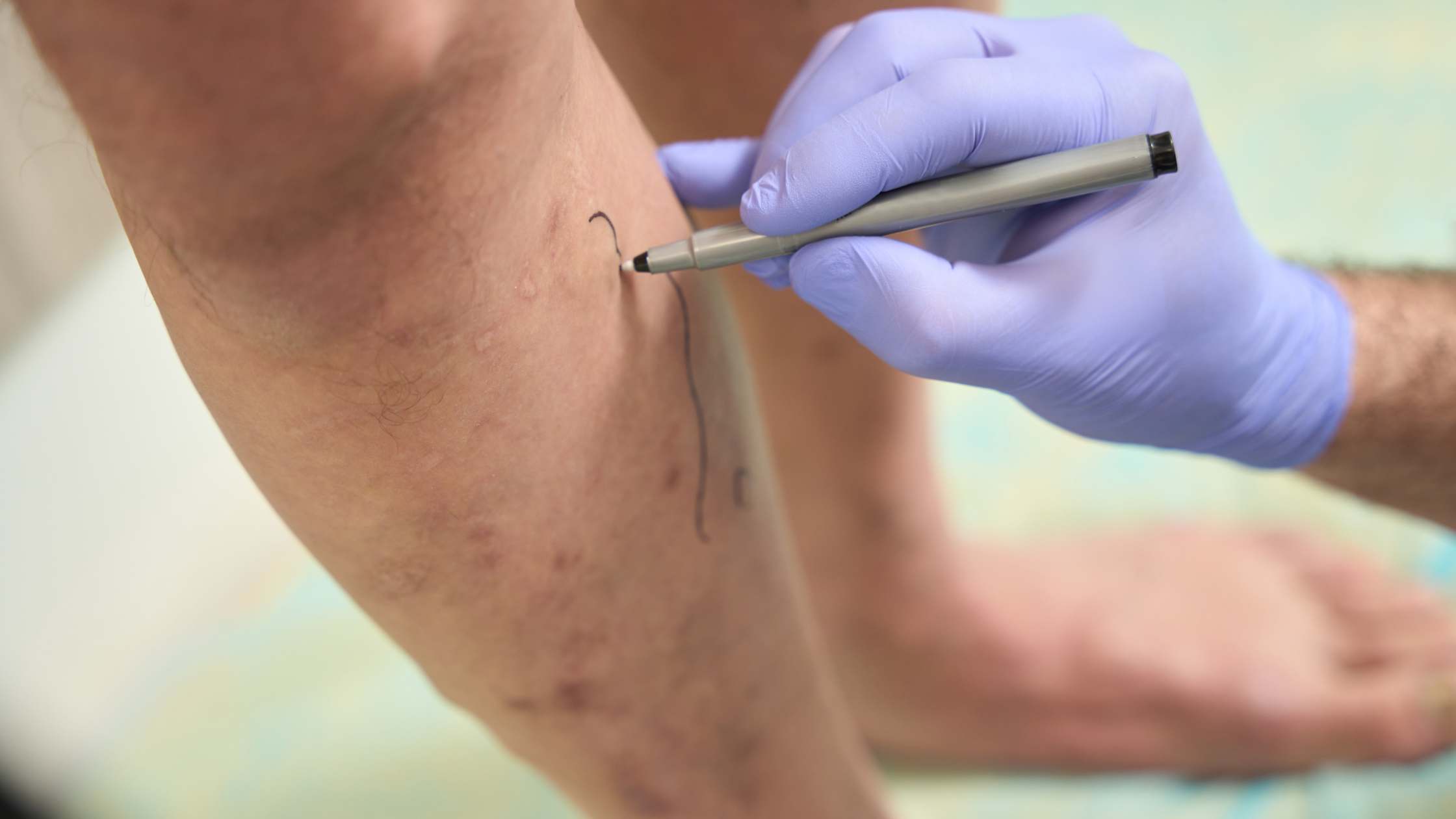
The root of both conditions is often venous insufficiency. This occurs when the tiny, one-way valves in your veins—which are responsible for pushing blood back up to the heart—weaken or fail.
When these valves fail, blood pools in the vein, causing it to stretch and discolor. Common reasons for spider veins and varicose growth include:
- Genetics: A family history is the leading predictor of vascular issues.
- Hormonal Fluctuations: Pregnancy and menopause can weaken vein walls.
- Lifestyle: Prolonged standing or sitting at work increases pressure on leg veins.
- Weight: Excess body weight puts added strain on the circulatory system.
Recognizing Early Stage Varicose Veins Symptoms
Many patients ignore varicose veins early signs, assuming they are just a part of aging. However, catching early stage varicose veins symptoms can prevent the progression into more serious varicose vein diseases, such as Deep Vein Thrombosis (DVT).
Watch for these red flags:
- Heavy Legs: A feeling of leadenness in the lower limbs, especially at night.
- Night Cramps: Sudden “charley horses” or throbbing that disrupts sleep.
- Ankle Swelling: Swelling that disappears overnight but returns during the day.
- Skin Discoloration: Redness or browning of the skin near the affected vein.
If you experience these, it is time to consult varicose vein doctors who specialize in cardiovascular health.
How to Get Rid of Spider Veins and Varicose Veins
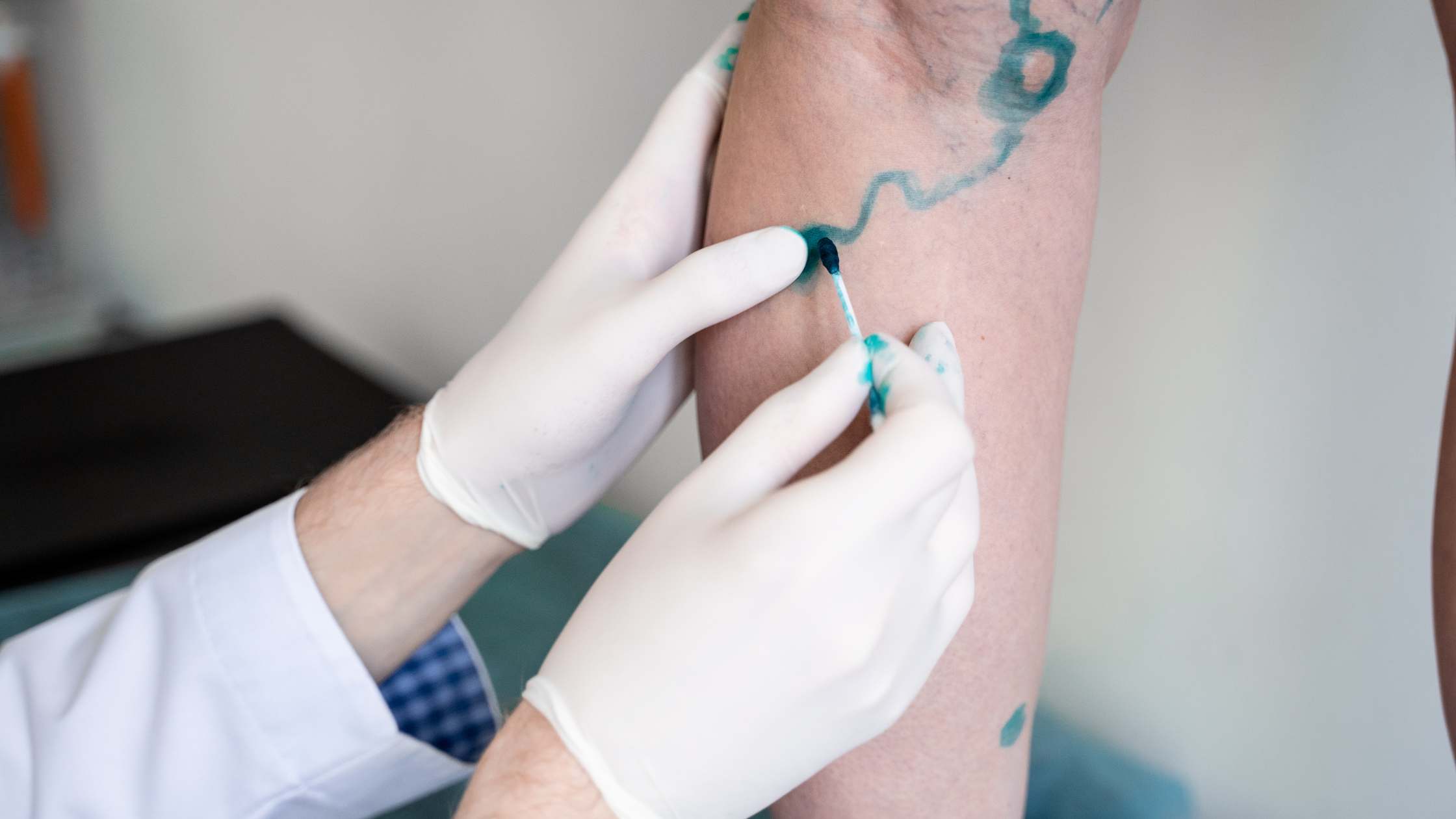
The days of painful “vein stripping” are largely over. Today’s varicose veins pain treatments are minimally invasive, often allowing patients to return to work the same day.
Best Treatment for Spider Veins
For smaller, superficial vessels, the two most common options are:
- Sclerotherapy: A tiny needle injects a solution that causes the vein to close and fade.
- Laser treatment for spider veins: Advanced light energy targets the pigment in the blood, collapsing the vessel without needles. Many patients prefer spider vein laser treatment for facial veins.
Clinical Treatments for Varicose Veins
When the veins are larger and cause physical pain, more robust methods are used:
- Sclerotherapy for varicose veins: Often used for medium-sized vessels.
- Endovenous Laser Ablation: A small fiber is inserted into the vein to seal it shut using heat.
- Varicose vein surgery (Phlebectomy): For very large, surface-level veins, a physician may physically remove the vein through tiny, micro-incisions.
The Impact of Expert Guidance in Cardiology Care
Treating veins is not just about the skin; it’s about the heart. As a board-certified cardiologist in Webster Texas, Dr. Mohamed Shalaby, MD, FACC, approaches vein care from a systemic perspective.
For over 25 years, Dr. Shalaby has been caring for hearts and vascular systems in Kemah, Clear Lake, and Webster. His extensive experience at world-renowned institutions—including the Texas Heart Institute and St. Luke’s Hospital—sets him apart from general cosmetic providers.
Whether he is seeing patients at Clear Lake Regional Medical Center or Mainland Medical Center, his goal is to ensure that your vein treatment improves your overall circulatory health, not just your appearance.
Summing Up
Don’t wait for minor discomfort to become a major health hurdle. Whether you are looking for the best treatment for spider veins or need a comprehensive evaluation for varicose vein diseases, choosing an experienced specialist is paramount.
Dr. Shalaby’s 25-year legacy of service at facilities like Memorial Southeast and St. John Hospital ensures you are receiving the highest standard of board-certified care right here in your community.
Explore further and protect your circulation. To learn more about your options or to schedule a vascular screening, visit our Vein Center online or call us directly at 281-956-7070.